
Mon-Fri | : 9:00am - 1:00pm 2:00pm - 5:00pm |
Sat | : 9:00am - 12:00pm |
Sun/PH | : Closed |
2:00pm - 5:00pm







Kidney Specialist in Singapore
Kidney
Around 14% of Singaporeans suffer from chronic kidney disease (CKD), which is one of the highest rates in the world. Seeking advice from a kidney specialist or visiting a reputable kidney clinic can help manage and prevent kidney-related issues effectively. The kidneys play a crucial role in our health by removing waste products from the blood and producing urine. Paying attention to one’s kidney health can ensure these vital organs function at their best for a long time to come.

Dr Michael YC Wong, Medical Director & Senior Consultant Urologist
FAMS (Urology), FICS (USA), FRCS (Edinburgh), M Med (Surgery), MBBS (Singapore)
What Are the Kidneys?
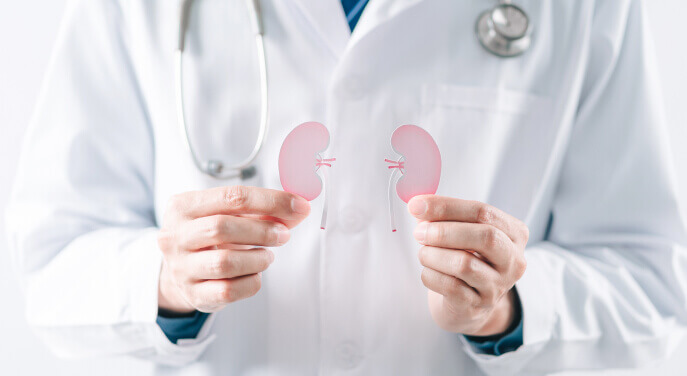
The kidneys are a pair of bean-shaped organs located on the side of the spine, behind the belly, and below the ribs. Each kidney measures approximately 4-5 inches long and contains a million tiny filters called nephrons.
Nephrons are the most significant component of the kidney as they enable the organ to filter blood to absorb nutrients and remove waste products.
What Is the
Function of the Kidneys?
The main function of the kidneys is to filter blood and expel waste through the urine. They also play an important role in maintaining calcium, sodium, and potassium levels, and producing hormones needed by the body to regulate blood pressure and prompt the bone marrow to make red blood cells. Aside from these, the kidneys eliminate harmful drugs and chemicals from the body and produce a type of vitamin D that promotes healthy bones.
Maintaining a healthy lifestyle and visiting a kidney clinic should you suspect something is wrong are important to ensure the health and function of the kidneys.
Anatomy of a Kidney
The kidneys are complex organs consisting of various parts, including:
Kidney Capsule (Renal Capsule)
Three layers of connective tissue or fat that shield the kidneys, keep them stable and connect them to surrounding tissues.
Renal Cortex
The outer layer of the kidney where the nephrons (blood-filtering units) begin, and where ultrafiltration occurs.
Renal Medulla
The inner part of the kidney which contains most of the nephrons with their glomeruli and renal tubules.
Renal Papillae
These are pyramid-shaped structures that transfer urine to the ureters.
Renal Artery
A large blood vessel that carries a little over 1.2 litres of blood to the kidneys each minute.
Renal Vein
The main blood vessel that carries filtered blood away from the kidneys and back to the heart.
Renal Pelvis
A funnel-shaped structure that collects urine from the nephrons and passes it down two ureters.
Signs and Symptoms of
Kidney Problems
Kidney disease often develops gradually and may not cause noticeable symptoms in its early stages. However, persistent urinary changes or other unexplained symptoms should not be ignored, as early assessment and treatment may help prevent further kidney damage and preserve kidney function.
While these symptoms do not always indicate kidney disease, they should be evaluated by a kidney specialist if they persist, worsen or occur alongside other concerning signs.
Muscle Cramps
Electrolyte imbalances, which can be caused by impaired kidney function, may contribute to muscle cramping.
Blood in Urine
Blood in the urine can indicate possible kidney issues such as kidney stones, infections, inflammation or even tumours.
Foamy Urine
Excessive bubbles in the urine may be caused by protein in the urine, which can indicate kidney damage.
Puffy Eyes
Protein leaking from the kidneys into the urine, an early sign of kidney damage, can also cause puffiness around the eyes.
Itchy or Dry Skin
It can be a sign of the mineral and bone disease that often accompanies advanced kidney disease and affects the skin's natural moisture balance.
More Frequent Urination
Feeling the need to urinate more often can be caused by the kidneys trying to remove excess fluids or waste products from the blood.
Swelling on the Ankle or Feet
When the kidneys are not working properly, it can lead to sodium retention which causes swelling.
Trouble Sleeping
The accumulation of toxins in the blood due to impaired kidney function can interfere with sleep regulation, causing restlessness and difficulty falling asleep.
When Should You See a Kidney Doctor?
Even in the absence of obvious symptoms, certain individuals have a higher risk of developing kidney disease and may benefit from early evaluation. You should consider seeing a kidney specialist if you have:

Don't ignore the early warning signs of kidney disease.
Early assessment by a kidney specialist can help identify the cause of your symptoms, start treatment sooner where needed, and protect your long-term kidney health.
During consultation sessions, kidney problems are diagnosed through a mixture of physical assessments and advanced tests based on your symptoms and risk factors. Your kidney specialist may recommend the following steps:
Medical history
Your doctor will ask about your symptoms, urinary habits, existing medical conditions, medications, family history and lifestyle factors that may affect your kidney health.
Physical examination
A physical examination may be performed to check for signs such as swelling, abdominal or flank tenderness and changes in blood pressure.
Laboratory tests
Blood and urine tests may be used to assess kidney function, detect infection, check for blood or protein in the urine and identify abnormalities in mineral or waste levels.
Imaging tests
Ultrasound, CT scans or other imaging tests may be recommended to look for kidney stones, cysts, blockages, tumours or structural abnormalities.
Kidney biopsy
In selected cases, a kidney biopsy may be performed to examine a small sample of kidney tissue and confirm the cause of certain kidney conditions.
As many kidney disorders share similar symptoms, an accurate diagnosis is essential to determine the underlying cause and recommend the most appropriate treatment.
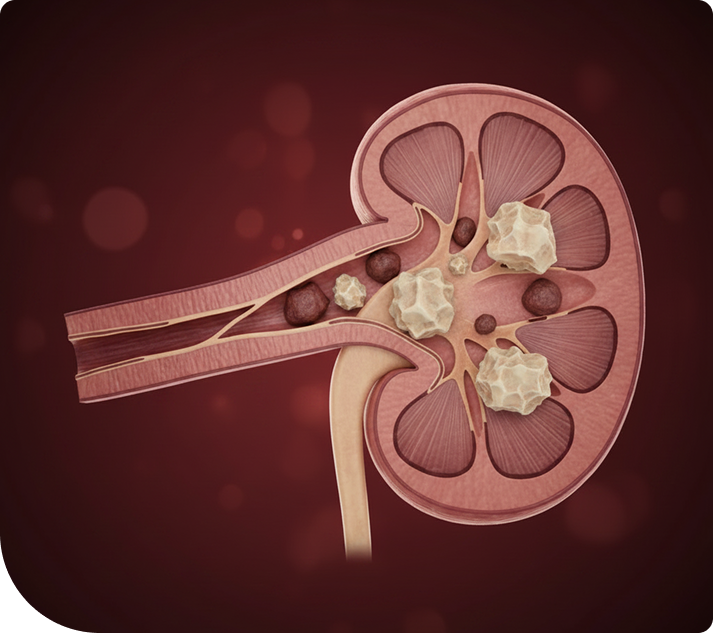
Kidney Stones
Kidney Blockage
Kidney Cysts
Kidney Cancer
Treatment depends on the specific kidney condition diagnosed, its severity and your overall health. After identifying the underlying cause, your kidney specialist will recommend a personalised treatment plan, which may include:
Monitoring
Not all kidney conditions require immediate intervention. Small kidney cysts, early kidney disease or stable kidney stones may be managed through regular follow-up consultations, blood and urine tests, and imaging to monitor changes and determine whether treatment is required.
Medication
Medications may be prescribed to treat the underlying cause of kidney problems or manage associated symptoms. Depending on your condition, these may include antibiotics for kidney infections, medications to control blood pressure, pain relief for kidney stones or medicines that help slow the progression of chronic kidney disease.
Kidney Stone Procedures
Kidney stones that are too large to pass naturally or are causing severe pain, obstruction or infection may require intervention. Depending on the size and location of the stone, treatment may involve extracorporeal shock wave lithotripsy (ESWL), laser lithotripsy or minimally invasive procedures to fragment or remove the stone.
Surgery for Selected Cases
Surgery may be recommended for more complex kidney conditions that cannot be managed with medication or minimally invasive procedures. These include kidney cancer, severe urinary tract obstruction, large or complex kidney stones, or structural abnormalities affecting normal kidney function. The most appropriate surgical approach will depend on the underlying condition and your overall health.
Protect your kidney health with early specialist care
Dr Michael YC Wong provides comprehensive assessment, accurate diagnosis and personalised treatment for a wide range of kidney conditions.
How to Prevent
Kidney Problems
Many kidney conditions can be prevented or their progression slowed by adopting healthy lifestyle habits and managing underlying health conditions. Looking after your kidney health can help preserve kidney function, reduce the risk of chronic kidney disease and lower the likelihood of complications later in life.
Here are some key ways to prevent kidney problems:
Reduce Salt Intake
Eating too much salt can disrupt the balance of minerals in the blood, making it harder for the kidneys to work properly.
Regular Exercise
Exercising regularly helps keep one’s weight within a healthy range and prevents high blood pressure, which is a known risk factor for chronic kidney disease.
Maintain Hydration
Drinking enough water, ideally 2-3 litres daily, aids the kidneys in efficiently removing waste products through urination.
Lifestyle Changes
Stop smoking and limit alcohol intake to avoid damaging your kidneys. These lifestyle changes improve overall health and reduce the risk of kidney problems.
Avoid Overusing Medications
Long-term use of certain medications can be harmful to the kidneys. Talk to your doctor and ensure your kidney function is monitored.
Whether you are experiencing persistent urinary symptoms, have risk factors for kidney disease or have already been diagnosed with a kidney condition, early assessment and appropriate treatment can help protect kidney function and reduce the risk of long-term complications.
At the International Urology, Fertility and Gynaecology Centre, Dr Michael YC Wong, our senior consultant urologist, provides comprehensive kidney care, from accurate diagnosis and personalised treatment to ongoing monitoring for a wide range of kidney conditions. Every care plan is tailored to your individual condition, symptoms and long-term health goals.
Our team is here to provide the specialist care guidance you need at every stage of your kidney health journey. Take the first step towards better kidney health by scheduling a consultation with us today.
Frequently Asked Questions (FAQ) About Kidney Care
What is the difference between a urologist and a nephrologist?
When should I see a kidney specialist in Singapore?
Is blood in urine a kidney problem?
What are some risk factors for developing kidney disease?
Can kidney function be improved or restored?

Meet Our Kidney Specialist in Singapore
Dr Michael YC Wong
Dr Michael YC Wong is the Medical Director and senior consultant urologist at the International Urology, Fertility and Gynaecology Centre. With extensive experience in kidney stone management and other urological conditions affecting the kidneys, he provides comprehensive assessment, accurate diagnosis and personalised treatment for patients with both simple and complex kidney disorders.
His approach focuses on relieving symptoms, preserving kidney function and reducing the risk of recurrence wherever possible.
Let us help you
Restore your urological health.
Make an appointment with Dr Michael Wong to receive a tailored, supportive and targeted care plan.
Office
Location
3 Mount Elizabeth Road, #10-09,
Mount Elizabeth Medical Centre,
Singapore 228510
Contact
Number
Email
Address
Opening
Hours