
Mon-Fri | : 9:00am - 1:00pm 2:00pm - 5:00pm |
Sat | : 9:00am - 12:00pm |
Sun/PH | : Closed |
2:00pm - 5:00pm






In-Vitro Fertilisation (IVF) in Singapore
In-Vitro Fertilisation (IVF)
In Singapore, in-vitro fertilisation (IVF) is gaining traction as a solution for couples facing infertility. This rise can be attributed to several factors, including medical advancements and the government's financial aid programs to help make IVF more accessible to eligible couples.

Dr Michael YC Wong, Medical Director & Senior Consultant Urologist
FAMS (Urology), FICS (USA), FRCS (Edinburgh), M Med (Surgery), MBBS (Singapore)
What Is In-Vitro Fertilisation (IVF)?
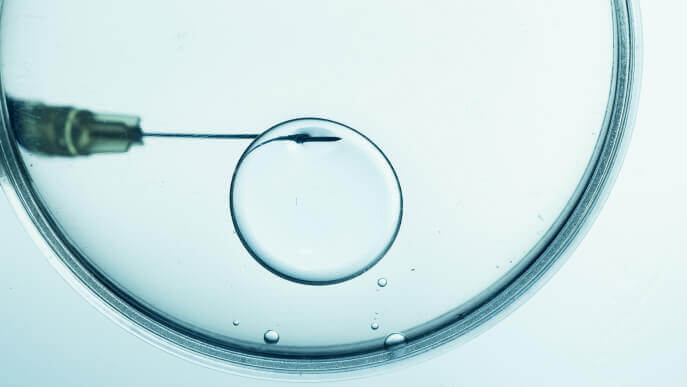
In-vitro fertilisation (IVF) is a form of assisted reproductive technology (ART) that is used to help couples struggling with infertility to conceive. IVF treatment is a complex and incredible procedure that combines medicine and surgery to fertilise an egg with a sperm (both carefully selected to be of the highest possible quality) outside of the body.
The fertilised egg, known as an embryo, can be frozen for later use or immediately implanted into a woman's uterus.
Why Might
IVF in Singapore Be Recommended?
Most IVF doctors recommend IVF after other treatments have proved unsuccessful. In Singapore, IVF treatment is an option for married couples struggling with infertility due to a variety of factors, including:
Absent, Blocked or Damaged Fallopian Tubes
Blockages or damage in the fallopian tubes can prevent the egg from meeting sperm. As IVF fertilises the egg outside the body, it bypasses the fallopian tubes and may improve the chances of pregnancy.
Endometriosis or Uterine Fibroids
Endometriosis can affect egg quality, fertilisation and embryo implantation, while uterine fibroids may distort the uterine cavity or interfere with implantation. IVF may be recommended when these conditions contribute to infertility or when other treatments have not been successful.
Ovulation Disorders or Reduced Ovarian Reserve
Women with irregular ovulation, diminished egg quality due to age, or Polycystic Ovary Syndrome (PCOS) tend to face fertility issues. IVF helps maximise the chances of fertilisation by stimulating the ovaries to produce multiple eggs during a treatment cycle.
Age-Related Infertility
Female fertility begins to decline more noticeably from around the age of 35 due to a gradual reduction in both the number and quality of eggs. IVF may be recommended to improve the chances of fertilisation and pregnancy, particularly when natural conception has become more difficult.
Low Sperm Count or Quality
Men with a low sperm count or poor sperm motility tend to struggle with infertility. IVF, particularly when combined with intracytoplasmic sperm injection (ICSI), may help overcome male fertility factors.
Previous Tubal Ligation or Vasectomy
IVF may be a suitable option for couples where the woman has previously undergone tubal ligation or the man has had a vasectomy. As fertilisation takes place outside the body, IVF can help achieve pregnancy without reversing these procedures.
Genetic Disorders
For couples with certain genetic conditions, IVF can be coupled with preimplantation genetic diagnosis (PGD) to screen embryos for the disorder, increasing the chances of a healthy pregnancy.
Unexplained Infertility
Some couples are unable to conceive despite normal fertility test results and no identifiable cause of infertility. IVF may be recommended after other fertility treatments have been unsuccessful, offering another pathway to pregnancy.
Wondering if IVF is right for you? Speak to our IVF specialists and explore your options.
What Should I Do Before
Undergoing IVF Treatment?
Preparation is a key factor in achieving the best possible outcome for IVF treatment. During your initial consultation, we will discuss your medical history, expectations and a personalised treatment plan to ensure you are well-prepared for the procedure. Beyond the medical steps, combining emotional support with positive lifestyle modifications can significantly improve your chances of success.
Here are some proactive steps recommended for both males and females before starting IVF:
Open Communication
Maintain open and honest communication with your partner to ensure you are supporting each other through every step of the journey.
Uterine Examination
To assess the uterus for any structural issues that may affect implantation.
Pre-IVF Semen Analysis
For males, to evaluate sperm quality and identify any issues early on.
Practice Embryo Transfer
A trial run to ensure smooth and accurate embryo placement during the actual procedure.
Blood Tests for STIs and Other Infections
To ensure optimal reproductive health and prevent transmission during treatment.
Stress Management
Engage in stress-relieving activities like yoga, meditation or light exercise to support hormone balance and reproductive health.
Taking these steps not only optimises your body for IVF but also provides peace of mind, setting the foundation for a smoother and more successful fertility journey.
What Is the Step-by-Step Process of IVF Treatment?
An IVF cycle consists of several stages, as follows:
Stage 1: Ovarian Stimulation
The IVF process includes the extraction of multiple eggs from a woman's body. As women are only capable of producing one egg per menstrual cycle, a specialist skilled in IVF will train the woman to administer daily injections of follicle-stimulating hormones (FSH) in order to stimulate her ovaries to produce multiple eggs at a time.
Producing multiple eggs increases the chances of successful fertilisation, as not every retrieved egg will mature, fertilise or develop into a healthy embryo.
Stage 2: Ovarian Follicle Monitoring
IVF specialists will conduct regular blood testing and ultrasounds to monitor the ovaries and measure hormone levels and follicle development. With this, the timing of egg collection can be accurately determined. Following this, human Chorionic Gonadotropin (hCG) injections will be used to trigger the final stage of egg maturation. The egg retrieval will then take place approximately 34 to 36 hours following the hCG injection.
Stage 3: Oocyte/Egg Retrieval
In general, eggs or oocytes are ready for collection and fertilisation when they reach a size of 17–18mm. Egg retrieval is usually performed under sedation or general anaesthesia. In most cases, a fine needle guided by transvaginal ultrasound is used to aspirate mature eggs from the ovarian follicles. In rare situations where ultrasound-guided retrieval is not feasible, laparoscopic (keyhole) surgery may be used to retrieve the eggs.
Stage 4: Fertilisation of Egg with Sperm
The retrieved eggs are fertilised with a prepared sperm sample in the laboratory. Fertilisation may be performed using conventional IVF, where eggs and sperm are incubated together to allow natural fertilisation, or intracytoplasmic sperm injection (ICSI), where a single sperm is injected directly into an egg, often for male-factor infertility.
Stage 5: Embryo Transfer
Embryos may develop 3–5 days after fertilisation. The selected embryo is then transferred into the uterus using a soft, thin catheter passed through the cervix under ultrasound guidance, while any suitable remaining embryos may be frozen for future IVF cycles.
What Should I Do After Undergoing IVF Treatment?
After embryo transfer, it is important to follow your IVF specialist's advice to support recovery and optimise the chances of successful implantation. While the waiting period can be emotionally challenging, taking appropriate precautions and attending scheduled follow-up appointments can help ensure you receive the care you need throughout your IVF journey.

Take Prescribed Medications
Continue taking all prescribed medications, such as progesterone support, exactly as directed to help prepare and maintain the uterine lining.
Resume Daily Activities Gradually
Light daily activities are generally safe, but avoid strenuous exercise, heavy lifting and other physically demanding activities unless your doctor advises otherwise.
Maintain a Healthy Lifestyle
Eat a balanced diet, stay well hydrated and avoid smoking, alcohol and recreational drugs to support your overall health during the implantation period.
Manage Stress
The waiting period before your pregnancy test can be emotionally demanding. Gentle exercise, relaxation techniques and support from your partner, family or counsellor may help you cope with stress.
Attend Follow-Up Appointments
Attend all scheduled follow-up appointments, including your pregnancy blood test, so your IVF specialist can monitor your progress and advise you on the next steps.
Our IVF specialists are able to guide you through every stage of your IVF journey with personalised care, clear communication and ongoing support from your first consultation to follow-up after treatment. Learn more.
What Is the
Success Rate of IVF Treatment in Singapore?
Age is the primary factor affecting the success rate of IVF. It is estimated that among women aged 35 to 39, the percentage of live births stands at close to 40%; as for women in their 40s, the percentage of live births falls to the single digits. This is because older women have fewer eggs, less healthy eggs, as well as a higher risk of developing medical issues that can impact fertility (e.g. uterine fibroids).
How to Improve the Success Rate of IVF Treatment?
To increase the chances of successful IVF treatment, it is crucial to seek an accredited assisted reproduction centre and an experienced IVF specialist. Your doctor may recommend you to make certain lifestyle changes or to undergo various medical assessments prior to undergoing an IVF cycle. Taking care of your overall health before starting IVF can improve your body's readiness for treatment. Small lifestyle changes made by both partners may positively influence fertility and treatment outcomes.

Consider Supplements
For women, consult your doctor about folic acid and vitamin D to potentially enhance pregnancy success. For men, consult your doctor about antioxidant supplements with vitamins A, C and E.
Optimise Sperm Health
For men, avoid high temperatures (hot tubs, saunas, tight clothing) and discuss medications with your doctor.
Rubella Vaccination
Women should ensure that they are immune to rubella to prevent congenital birth defects during pregnancy.
Lifestyle Changes
Maintain a healthy weight through balanced diet and exercise, quitting smoking and limiting alcohol intake.
Let us help you start building the family you have always envisioned. Contact our IVF clinic in Singapore and begin your journey to parenthood.
Potential Risks of IVF Treatment
While it is a viable solution for couples dealing with infertility, IVF treatment may carry potential risks, including:
Multiple Pregnancies
Transferring multiple embryos increases the chances of multiple pregnancies, which can carry a higher risk of complications like preterm birth, low birth weight, and C-sections.
Ectopic Pregnancy
This is a rare but serious complication where a fertilised egg implants outside the uterus, usually in the fallopian tubes.
Ovarian Hyperstimulation Syndrome (OHSS)
This is a more serious complication that occurs when the ovaries overreact to fertility drugs. Symptoms include severe bloating, difficulty breathing, nausea and vomiting, dehydration, and urinary problems.
Pelvic Infection
There is a slim chance of pelvic infection after egg collection, with symptoms like pain, bleeding, and fever. In very rare cases, a pus-filled abscess may also develop.
Take the Next StepTowards Parenthood
For many couples, IVF offers a proven treatment option when other fertility treatments have not been successful. While every fertility journey is unique, a personalised treatment plan and timely specialist care can help maximise your chances of achieving a successful pregnancy.
At the International Urology, Fertility and Gynaecology Centre, medical director Dr Michael YC Wong works closely with a multidisciplinary team to provide comprehensive fertility care for both men and women. From your initial fertility assessment through every stage of IVF treatment and follow-up, our team is committed to delivering personalised care and guidance tailored to your needs.
Take the first step towards building your family by scheduling a consultation with our fertility team. Contact us today to discuss your fertility concerns and explore whether IVF may be the right option for you.
Frequently Asked Questions (FAQs) about IVF
How many IVF cycles do people usually need?
What is the best age to undergo IVF?
Is IVF painful?
How much does IVF in Singapore cost?
How long does it take to know you are pregnant after IVF?
How soon after a failed IVF procedure can you try again?
Can you select the gender during IVF?
Can IVF cause birth defects?
How do I choose the best embryo to be transferred?

Meet Our IVF Doctor in Singapore
Dr Michael YC Wong
Dr Michael YC Wong is the Medical Director and senior consultant urologist at the International Urology, Fertility and Gynaecology Centre. He has advanced training in urology, fertility and minimally invasive surgery from leading centres in the USA, and has extensive experience in the evaluation and management of male and female infertility.
As co-founder of Singapore's first joint urology–gynaecology clinic for couples, Dr Wong adopts a collaborative approach to fertility care by assessing both partners together where appropriate. He works closely with a multidisciplinary team to provide evidence-based, personalised fertility treatment, guiding patients through every stage of their fertility journey, including IVF and other assisted reproductive treatments.
Let us help you
Restore your urological health.
Make an appointment with Dr Michael Wong to receive a tailored, supportive and targeted care plan.
Office
Location
3 Mount Elizabeth Road, #10-09,
Mount Elizabeth Medical Centre,
Singapore 228510
Contact
Number
Email
Address
Opening
Hours