





肾结石
肾结石
肾结石是一个常见的健康问题,全球约有2-3%的人口受到影响。肾结石的大小不一,从像沙粒一样小到像高尔夫球一样大不等。虽然小的肾结石可以自行排出而不需要医学治疗,但较大的结石可能需要手术治疗,以防止尿液流动受阻。

经医学审阅王毓成医生,医疗总监兼资深泌尿科顾问医生。
新加坡医学专科学院院士(泌尿外科), 国际外科医生学会会员(美国), 皇家内外科医学院院士FRCS(爱丁堡), 医学硕士(外科), 内外全科医学士(新加坡)
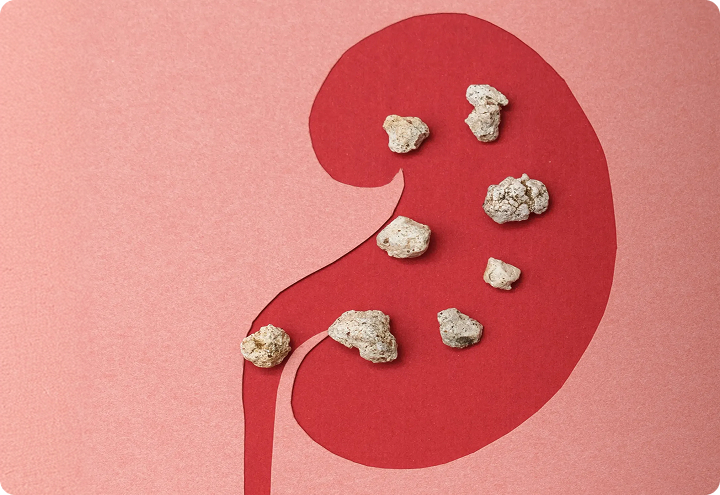
什么是肾结石?
肾结石是一种常见泌尿系统疾病,多发生于老年男性中,但近年却有更多女性被诊患有肾结石。疼痛和不适是肾结石的典型症状。幸运的是,通过有效治疗,肾结石可以被治疗。
在我们泌尿专科诊所, 我们擅长诊治各种泌尿系统疾病,包括肾结石。
肾结石有哪些症状?
肾结石的大小不同,体积小的肾结石不会引起任何症状并可通过尿液排出体外。
然而,体积大的肾结石可能会导致输尿管阻塞,影响正常排尿。这情况下,患者可能会出现以下症状:

排尿时有疼痛和不适或灼热感
侧面、腰部、下腹部,或腹股沟疼痛
尿频
尿液呈深色或异常浑浊
尿液有异味
When to SeekUrgent Medical Attention for Kidney Stones
While some kidney stones can pass without treatment, larger stones or those causing an obstruction may lead to complications if left untreated. These can include persistent urinary obstruction, urinary tract infections, kidney damage or, in severe cases, reduced kidney function. Prompt medical assessment helps relieve symptoms and reduces the risk of these complications.
Seek urgent medical attention if you experience any of the following:
Severe pain that does not improve or prevents you from resting
Inability to urinate
Blood in the urine
Nausea and vomiting that prevent you from keeping fluids down
Fever or chills, which may indicate a urinary tract infection requiring urgent treatment
如果您有肾结石的症状,请立即咨询我们的泌尿科专家,获取持久的肾结石缓解治疗。

肾结石是由什么原因引起?
Kidney stones develop when minerals and salts in the urine become concentrated and crystallise. This can occur due to a combination of dietary habits, dehydration, certain medical conditions, urinary tract abnormalities and inherited disorders. Common contributing factors include:
Dietary Factors
Metabolic Disorders
Kidney Disorders
Hereditary Diseases
Urinary Tract Infection
Enlarged Prostate
Neurogenic Bladder (Bladder Emptying Problems)
肾结石有哪些不同类型?
草酸钙
这是最为常见的肾结石种类。当钙质与尿液中大量的草酸盐(食物中的一种天然化学物质)结合,便会形成草酸钙结石。这情况主要是因钙质和饮水不足所导致。
尿酸
尿酸是因摄取过量高蛋白质食物(如肉类和贝类)而引起肾结石形成的情况。这类食物会产生一种称为嘌呤的化学物质,从而形成尿酸单钠。患有糖尿病、代谢综合征,或有遗传因素的人群出现尿酸结石的风险往往更高。
磷酸镁胺结石
这是一种由尿道感染(UTI)而引起肾结石形成的疾病。细菌会在尿道迅速滋长并影响尿道。这肾结石类型有时症状并不明显,甚至无症状。
胱氨酸
胱氨酸是肾结石较为少见的一种类型,是由先天性胱氨酸尿所致。这遗传性疾病会导致一种叫胱氨酸的化学物质从尿液中漏出。
Take the first step towards lasting relief by scheduling a consultation with our urologist.
Early diagnosis allows timely treatment, helping to relieve symptoms, prevent complications and guide the most appropriate kidney stone treatment for your condition.
How Are Kidney Stones Diagnosed?
在出现肾结石症状时,应当尽早求医。除了检查患者的病史或家族病史,泌尿科专家也会进行检查,包括:
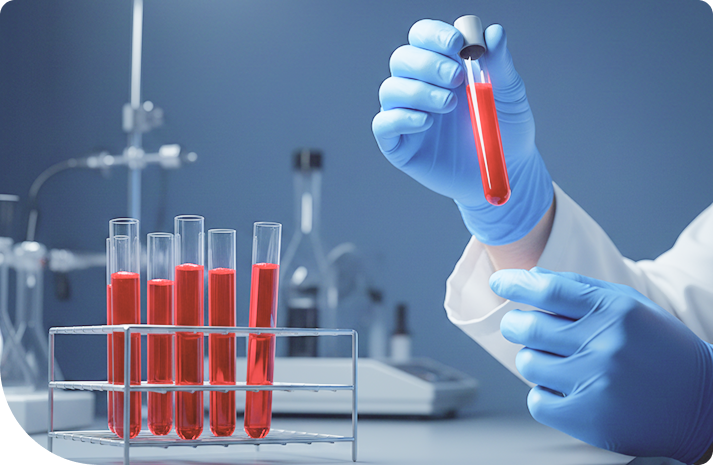
血液检测
这方式能确定肾脏的正常运作,还能检测血液中是否存在高钙质或尿酸水平。
尿液检测
通过这检测,收集24小时尿液样本以检测尿液是否有感染的迹象,或有可引起肾结石发生的血液或矿物质。
影像检查
借由X-光、CT 或MRI扫描来确定肾结石的位置,大小以及数量。影像检查结果有助医生评估病情并建议最合适的肾结石治疗方案,如药物或肾结石手术。
Take the first step towards lasting relief by scheduling a consultation with our urologist.
Early diagnosis allows timely treatment, helping to relieve symptoms, prevent complications and guide the most appropriate kidney stone treatment for your condition.
What Kidney Stone Treatments Are Available at Our Clinic?
Kidney stones treatment will depend on the type of stone and the severity of the symptoms. If you have detected them early while they are still small, you can simply drink more water, more regularly. This is usually enough to get rid of them naturally.
However, if the stones are already too large to pass naturally, its treatment will then involve breaking them down into smaller pieces or removing them via kidney stone surgery by your kidney specialist.
At our clinic, we offer a range of kidney stone treatments tailored to the size, location and type of stone, as well as the severity of your symptoms.
Extracorporeal Shock Wave Lithotripsy
Retrograde Intrarenal Surgery
Percutaneous Nephrolithotomy
Laparoscopy
Laser Lithotripsy
How to Prevent Kidney Stones Formation
While not all kidney stones can be prevented, adopting healthy lifestyle habits may help reduce your risk of developing new stones or experiencing a recurrence. Your urologist may also recommend preventive measures based on the type of kidney stone you have.
To help lower your risk:
Don't LetKidney Stones Affect Your Quality of Life
Kidney stones can range from causing mild discomfort to severe pain and urinary obstruction. Seeking prompt medical attention can help relieve symptoms, reduce the risk of complications and ensure you receive the most appropriate treatment based on the size, location and type of stone.
Here at the International Urology, Fertility, and Gynaecology Centre, we offer comprehensive evaluation and a full range of minimally invasive and surgical treatment options to relieve symptoms, preserve kidney function and reduce the risk of recurrence. Dr Michael YC Wong, our senior consultant urologist, has extensive experience diagnosing and treating kidney stones, providing personalised care tailored to each patient's condition and treatment goals.
Take the first step towards lasting relief by booking a consultation with Dr Michael Wong today.
Frequently Asked Questions About Kidney Stones
How long does kidney stone pain last?
What is the best way to relieve kidney stone pain?
Can kidney stones go away without treatment?
How long does it take to recover from kidney stone treatment?
How painful is the treatment for kidney stones?
Are there any side effects to kidney stone treatment?

Meet Our Kidney Stone Specialist in Singapore
Dr Michael YC Wong
Dr Michael YC Wong is a senior consultant urologist with extensive experience in the diagnosis and treatment of kidney stones. He provides comprehensive care for patients with both simple and complex conditions, tailoring treatment plans according to the size, location and type of kidney stone, as well as each patient's overall health and treatment goals.
Dr Wong is committed to achieving effective treatment while minimising recovery time. He also works closely with patients to reduce the risk of future kidney stone recurrence through appropriate follow-up care and preventive strategies.
让我们帮助您
恢复您的泌尿系统健康。
与王毓成医生预约,接受量身定制、支持性和针对性的护理计划。
办公地点
3号伊丽莎白山 #10-09,
伊丽莎白山医疗中心,
新加坡邮区 228510
联系电话
营业时间
周一至周五
上午9:00 - 下午1:00
下午2:00 - 下午5:00
周六
上午9:00 - 中午12:00
周日/公众假期
关闭