





肾脏
肾脏
大约14%的新加坡人患有慢性肾病(CKD),这是全球最高的发病率之一。肾脏在我们的健康中起着至关重要的作用,它们通过从血液中清除废物并产生尿液来维持身体平衡。关注肾脏健康,有助于确保这些重要器官长期正常运作。

经医学审阅王毓成医生,医疗总监兼资深泌尿科顾问医生。
新加坡医学专科学院院士(泌尿外科), 国际外科医生学会会员(美国), 皇家内外科医学院院士FRCS(爱丁堡), 医学硕士(外科), 内外全科医学士(新加坡)
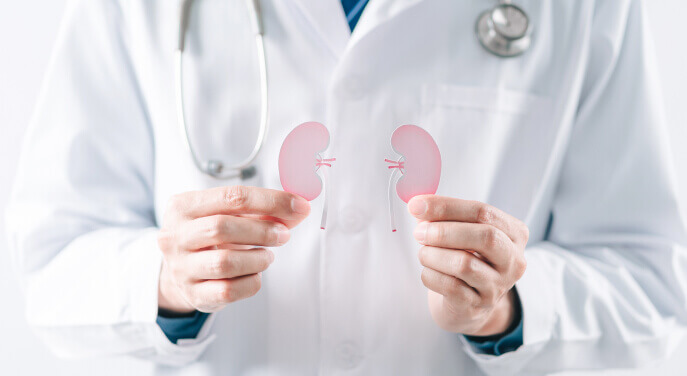
什么是肾脏?
肾脏是一对呈豆状的器官,位于脊柱两侧、腹部后方、肋骨下方。每个肾脏大约长4到5英寸,内部含有大约一百万个微小的过滤单元,称为肾单位(肾元)。肾单位是肾脏中最重要的组成部分,它们使肾脏能够过滤血液,从中吸收养分并排除废物。
肾脏有
什么作用?
肾脏的主要功能为过滤血液并将废物从尿液中排出。同时,肾脏在维持钙、钠和钾水平方面也发挥重要作用。肾脏也会帮助生产人体所需的激素,以调节血压并促进骨髓的红血球生产。除此以外,肾脏还能消除体内的有害药物和化学物质,并产生一种可促进骨骼健康的维生素D。
为了维持肾脏健康和确保肾脏的正常运作,保持健康生活和寻求及时肾脏专科治疗(如需)非常重要。
肾脏的结构
肾脏是由多个部分组成的复杂器官,包括:
肾包膜(肾囊)
由三层结缔组织或脂肪组成,用于保护肾脏、保持其稳定,并将其与周围组织连接。
肾皮质
肾脏的外层,是肾单位(过滤血液的基本单位)开始的位置,也是超滤作用发生的区域。
肾髓质
肾脏的内部区域,包含大部分肾单位,包括肾小球和肾小管。
肾乳头
这些是呈金字塔形的结构,用于将尿液输送到输尿管。
肾动脉
一条大型血管,每分钟将超过1.2升的血液输送到肾脏。
肾静脉
主要的血管,将过滤后的血液从肾脏带走并输送回心脏。
肾盂
一种漏斗形结构,收集来自肾单位的尿液,并通过两条输尿管将其排出。
肾脏问题的征兆
和症状
需要注意的是,这些症状不一定表示肾脏问题,可能是由其他潜在疾病引起的。患者应由肾脏专家进行评估,以获得准确的诊断。尽管如此,以下是可能需要关注的征兆和症状:
肌肉抽筋
电解质失衡,可能由于肾脏功能受损引起,可能导致肌肉抽筋。
尿中有血
尿中出现血液可能表示肾脏问题,例如肾结石、感染、炎症甚至肿瘤。
泡沫尿
尿液中出现过多泡沫可能是由于尿液中含有蛋白质,这可能表明肾脏受损。
眼睛浮肿
肾脏将蛋白质漏入尿液中,这是肾脏损伤的早期迹象,也可能导致眼部浮肿。
皮肤瘙痒或干燥
这可能是伴随晚期肾脏疾病的矿物质和骨骼疾病的迹象,且会影响皮肤的天然湿润平衡。
频繁排尿
感到需要更频繁地排尿可能是由于肾脏试图从血液中排除多余的液体或废物。
脚踝或双足肿胀
当肾脏功能不正常时,可能导致钠的滞留,从而引发肿胀。
睡眠困难
由于肾脏功能受损,血液中毒素的积累可能干扰睡眠调节,导致不安和入睡困难。
When Should You See a Kidney Doctor?
Even in the absence of obvious symptoms, certain individuals have a higher risk of developing kidney disease and may benefit from early evaluation. You should consider seeing a kidney specialist if you have:

早期发现是保持肾脏健康的关键。
如果发现任何排尿异常症状,请立即咨询肾脏专科医生。

During consultation sessions, kidney problems are diagnosed through a mixture of physical assessments and advanced tests based on your symptoms and risk factors. Your kidney specialist may recommend the following steps:
Medical history
Your doctor will ask about your symptoms, urinary habits, existing medical conditions, medications, family history and lifestyle factors that may affect your kidney health.
Physical examination
A physical examination may be performed to check for signs such as swelling, abdominal or flank tenderness and changes in blood pressure.
Laboratory tests
Blood and urine tests may be used to assess kidney function, detect infection, check for blood or protein in the urine and identify abnormalities in mineral or waste levels.
Imaging tests
Ultrasound, CT scans or other imaging tests may be recommended to look for kidney stones, cysts, blockages, tumours or structural abnormalities.
Kidney biopsy
In selected cases, a kidney biopsy may be performed to examine a small sample of kidney tissue and confirm the cause of certain kidney conditions.
As many kidney disorders share similar symptoms, an accurate diagnosis is essential to determine the underlying cause and recommend the most appropriate treatment.
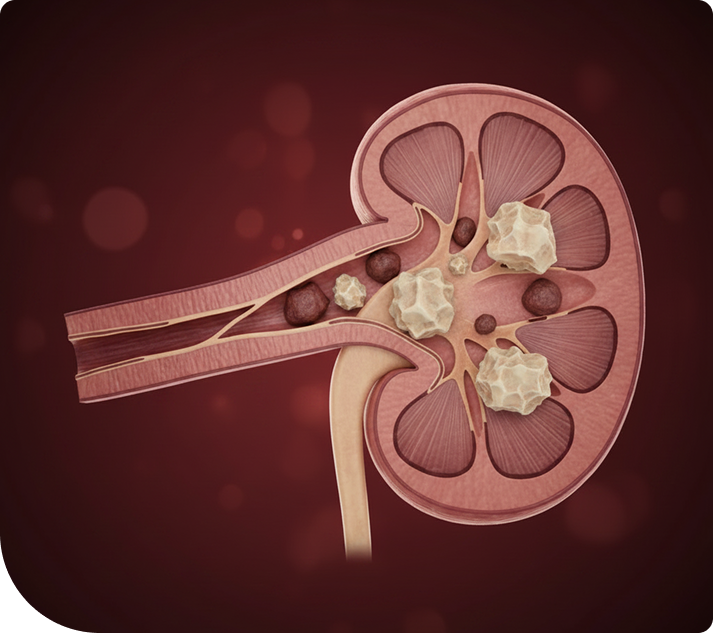
肾结石
肾水肿
肾囊肿
肾癌
Treatment depends on the specific kidney condition diagnosed, its severity and your overall health. After identifying the underlying cause, your kidney specialist will recommend a personalised treatment plan, which may include:
Monitoring
Not all kidney conditions require immediate intervention. Small kidney cysts, early kidney disease or stable kidney stones may be managed through regular follow-up consultations, blood and urine tests, and imaging to monitor changes and determine whether treatment is required.
Medication
Medications may be prescribed to treat the underlying cause of kidney problems or manage associated symptoms. Depending on your condition, these may include antibiotics for kidney infections, medications to control blood pressure, pain relief for kidney stones or medicines that help slow the progression of chronic kidney disease.
Kidney Stone Procedures
Kidney stones that are too large to pass naturally or are causing severe pain, obstruction or infection may require intervention. Depending on the size and location of the stone, treatment may involve extracorporeal shock wave lithotripsy (ESWL), laser lithotripsy or minimally invasive procedures to fragment or remove the stone.
Surgery for Selected Cases
Surgery may be recommended for more complex kidney conditions that cannot be managed with medication or minimally invasive procedures. These include kidney cancer, severe urinary tract obstruction, large or complex kidney stones, or structural abnormalities affecting normal kidney function. The most appropriate surgical approach will depend on the underlying condition and your overall health.
Protect your kidney health with early specialist care
Dr Michael YC Wong provides comprehensive assessment, accurate diagnosis and personalised treatment for a wide range of kidney conditions.
如何预防
肾脏问题
以下是预防肾脏问题的一些关键方法:
减少盐的摄入
摄入过多的盐会扰乱血液中的矿物质平衡,使肾脏更难正常工作。
定期运动
定期锻炼有助于保持体重在健康范围内,并预防高血压,而高血压是慢性肾脏病的已知风险因素。
保持水分摄取
每天饮用足够的水,理想情况下为2-3升,有助于肾脏通过排尿高效地去除废物。
生活方式改变
戒烟并限制酒精摄入,以避免损害肾脏。这些生活方式的改变有助于改善整体健康,并减少肾脏问题的风险。
避免过度使用药物
长期使用某些药物可能对肾脏有害。请与医生沟通,并确保定期监测肾脏功能。
Whether you are experiencing persistent urinary symptoms, have risk factors for kidney disease or have already been diagnosed with a kidney condition, early assessment and appropriate treatment can help protect kidney function and reduce the risk of long-term complications.
At the
Our team is here to provide the specialist care guidance you need at every stage of your kidney health journey. Take the first step towards better kidney health by
Frequently Asked Questions (FAQ) About Kidney Care
What is the difference between a urologist and a nephrologist?
When should I see a kidney specialist in Singapore?
Is blood in urine a kidney problem?
What are some risk factors for developing kidney disease?
Can kidney function be improved or restored?

Meet Our Kidney Specialist in Singapore
Dr Michael YC Wong
Dr Michael YC Wong is the Medical Director and senior consultant urologist at the International Urology, Fertility and Gynaecology Centre. With extensive experience in kidney stone management and other urological conditions affecting the kidneys, he provides comprehensive assessment, accurate diagnosis and personalised treatment for patients with both simple and complex kidney disorders.
His approach focuses on relieving symptoms, preserving kidney function and reducing the risk of recurrence wherever possible.
让我们帮助您
恢复您的泌尿系统健康。
与王毓成医生预约,接受量身定制、支持性和针对性的护理计划。
办公地点
3号伊丽莎白山 #10-09,
伊丽莎白山医疗中心,
新加坡邮区 228510
联系电话
营业时间
周一至周五
上午9:00 - 下午1:00
下午2:00 - 下午5:00
周六
上午9:00 - 中午12:00
周日/公众假期
关闭