





肾癌
肾癌
肾癌约占新加坡癌症的1-2%。像大多数癌症类型一样,如果在早期发现并进行治疗,是可以治愈的。

经医学审阅王毓成医生,医疗总监兼资深泌尿科顾问医生。
新加坡医学专科学院院士(泌尿外科), 国际外科医生学会会员(美国), 皇家内外科医学院院士FRCS(爱丁堡), 医学硕士(外科), 内外全科医学士(新加坡)
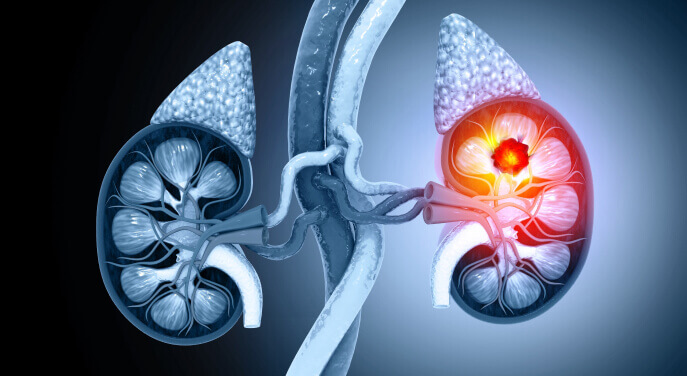
什么是肾癌?
肾脏是人体内的豆瓣状器官,其功能是将体内废物从尿液排出并控制血压, 而肾癌是一种起源于肾脏的癌症。当肾脏内出现异常生长,便有可能发展为肿瘤。肾癌是新加坡常见的癌症之一,其中,年龄介于60至70岁的男性患肾癌的风险较高。
肾癌的种类
有哪些?
肾癌可分为不同种类,包括:
肾细胞癌
这是最常见的肾癌种类,占肾癌病例中的85% 至90%。
泌尿上皮癌
这也称为移行细胞癌,是发生于肾盂的癌症。肾盂是肾脏内侧的漏斗状空腔,用以收集尿液并排入膀胱。
威尔姆氏肿瘤
这也称为肾母细胞瘤,最常发生在儿童中。该肾癌种类通常影响3至4岁儿童。
肾肉瘤
这是罕见的肾癌种类,由肾脏血管或结缔组织中出现癌变细胞所引起。

肾癌会出现
哪些症状?
早期肾癌通常不会出现任何症状。肾癌症状一般会在后期显现,这包括:

尿液带血
疲劳
腰部或体侧出现疼痛和不适
腹部有肿块
不明原因的体重下降
发烧
Early detection can lead to better treatment options and outcomes.
If you are experiencing potential signs and symptoms of kidney cancer, schedule a consultation with our urologist today.


What Increases the Risk of Kidney Cancer?
The exact cause of most kidney cancers is unknown. However, several medically recognised factors may increase a person’s likelihood of developing the disease. These include:
Smoking
High blood pressure
Family history of kidney cancer
Long-term dialysis for chronic kidney disease
Certain genetic conditions
Obesity
Long-term use of certain medications
Can Kidney Cancer Be Prevented?
Kidney cancer cannot always be prevented because some risk factors, including age, family history and inherited conditions, cannot be changed. However, several measures may help reduce the likelihood of developing the disease:
Avoid smoking or seek support to stop
Maintain a healthy weight through a balanced diet and regular physical activity
Monitor and manage high blood pressure
Follow workplace safety measures when handling potentially harmful chemicals
Attend appropriate medical reviews if you have chronic kidney disease, receive long-term dialysis or have an inherited risk of kidney cancer
These measures cannot guarantee prevention, but they can reduce certain modifiable risks and support overall kidney health.
How Is Kidney Cancer Detected?
In order to diagnose kidney cancer, a kidney cancer clinic performs a number of tests and procedures, including the following:
Urinalysis
Urinalysis checks a urine sample for blood, proteins and other abnormalities. The results may indicate a kidney or urinary-tract problem that requires further assessment, but they cannot confirm kidney cancer on their own.
Blood Tests
Blood tests may be used to assess kidney function, blood-cell counts and general health. Abnormal results can provide supporting information and help determine whether certain scans or treatments are suitable, but blood tests alone cannot diagnose kidney cancer.
Ultrasound or Computed Tomography (CT) scan
An imaging test can provide detailed images of the kidneys and determine the extent and characteristics of a kidney tumour.
MRI Scan
An MRI scan produces detailed images that can help assess a kidney tumour and determine whether it has affected nearby tissues or major blood vessels. It may be used when a CT scan is inconclusive or when CT contrast is unsuitable.
Kidney biopsy
A kidney biopsy may be recommended when imaging alone cannot establish the nature of a tumour or when the result could affect treatment planning. A thin needle is guided into the mass to collect tissue for laboratory examination.
Cystoscopy
Cystoscopy may be performed when the doctor needs to investigate blood in the urine or exclude a tumour in the bladder or lower urinary tract. A thin instrument with a camera is passed through the urethra to examine the inside of the bladder. It is not routinely used to diagnose renal cell carcinoma.
What Are The Stages of Kidney Cancer?
Renal cell carcinoma, the most common form of kidney cancer, is classified into four main stages according to the tumour’s size and whether it has spread beyond the kidney. Staging helps the doctor assess the extent of the disease and determine which treatments may be appropriate.
Stage 1
The tumour measures 7 cm or less and remains confined to the kidney. It has not spread to the lymph nodes or other parts of the body.
Stage 2
The tumour is larger than 7 cm but remains confined to the kidney. There is no spread to the lymph nodes or distant organs.
Stage 3
The cancer has spread into major blood vessels or tissues surrounding the kidney, or to nearby lymph nodes. It has not spread to distant parts of the body.
Stage 4
The cancer has grown beyond the tissues surrounding the kidney or spread to distant parts of the body, such as the lungs, bones, liver or brain.
What Happens if Kidney Cancer Is Left Untreated?
Without treatment or appropriate medical monitoring, kidney cancer may continue growing and become more difficult to manage. Possible complications include:
Invasion of surrounding tissues or major blood vessels
Increasing symptoms such as bleeding, pain, anaemia and weight loss
Spread to lymph nodes or distant organs
The need for more complex treatment if surgery alone is no longer sufficient
Some small kidney tumours can be managed through active surveillance, but this involves scheduled scans and specialist review rather than leaving the condition medically unattended.
肾癌的治疗方法
有哪些?
治疗肾癌的方法将取决于肾癌种类以及肿瘤范围,其中包括:

手术
手术主要为切除肿瘤并维持肾脏功能。对于晚期肾癌,将需彻底切除肾脏或切除部分肾脏。手术方式将取决于癌症的严重程度。
射频消融
这是一项通过细针穿过皮肤,将电流送至肿瘤以摧毁癌细胞的治疗方法。
主动监测
针对轻度病例,对肿瘤及发展状态进行定期影像检查的治疗方式。
化疗
通过口服或静脉注射(IV)的方式给予抗癌药物。
免疫疗法
这治疗通过给予药物来增强免疫系统,以利于人体识别并抵御癌细胞。
Are There Any
Risks to Undergoing Kidney Surgery?
As with any surgical procedure, kidney surgery carries a risk of complications. The specific risks vary according to the type and complexity of the operation as well as the patient’s overall health. Possible complications include:
Bleeding during or after surgery
Blood clots in the legs or lungs
Injury to nearby organs, tissues or blood vessels
Urine leakage following partial nephrectomy
Infection at the surgical site or elsewhere
Reactions to anaesthesia
Reduced kidney function
An experienced urologist and surgical care team will take steps to minimise these risks throughout the treatment journey. These may include careful preoperative assessment and surgical planning, measures to control bleeding, antibiotics when appropriate and compression devices or medication to prevent blood clots.
After the procedure, the care team will closely monitor kidney function, urine output and the surgical wound. This allows potential complications to be identified and managed promptly. Although no surgery is entirely risk-free, these precautions support a safer operation and recovery.
Why Choose Our Kidney Cancer Clinic in Singapore?
Choosing a kidney cancer clinic gives you access to focused assessment and treatment planning based on the characteristics and stage of your cancer. A doctor can review your imaging results, kidney function, general health and treatment goals before recommending an appropriate approach.
At the International Urology, Fertility & Gynaecology Centre, care is led by Dr Michael Wong, our medical director and senior consultant urologist. He provides assessment, diagnosis and personalised kidney cancer treatment, supported by specialised training and experience in urology and minimally invasive surgery. If you have concerning symptoms, an abnormal scan result or questions about your kidney health, contact us to arrange a consultation.
Frequently Asked Questions About Kidney Cancer
Will I need dialysis after kidney cancer surgery?
Most patients do not require dialysis after a partial nephrectomy or the removal of one kidney if the remaining kidney functions adequately. The likelihood of needing dialysis is greater when kidney function was already significantly impaired or when both kidneys are affected. Kidney function is assessed before surgery to help guide treatment planning.
Can you live a normal life with one kidney?
Yes, most people can live a healthy and active life with one properly functioning kidney. Regular monitoring may be recommended to check kidney function, blood pressure and protein levels in the urine. Patients should also follow their doctor’s advice on maintaining a healthy weight, staying hydrated and avoiding medicines or habits that could damage the remaining kidney.
Can kidney cancer come back after treatment?
Yes, kidney cancer can recur after treatment, either near the original site or in another part of the body. The likelihood of recurrence is influenced by factors such as the cancer’s stage, grade and type. Follow-up appointments, blood tests and imaging allow the doctor to monitor for recurrence and address concerning findings promptly.
Can a kidney tumour be benign?
Yes, not every kidney tumour is cancerous. Benign kidney tumours include oncocytomas and angiomyolipomas, which do not usually spread to other parts of the body. However, imaging cannot always reliably distinguish a benign mass from kidney cancer, so further monitoring, biopsy or surgical removal may be recommended based on the tumour’s characteristics and associated risks.

Meet Our Kidney Stone Specialist in Singapore
Dr Michael YC Wong
Dr Michael Wong is the medical director and senior consultant urologist at the International Urology, Fertility and Gynaecology Centre. His clinical focus includes urological cancers and minimally invasive urological surgery. Before entering private practice, he held several leadership positions at Singapore General Hospital, including Director of the SGH Urology Centre and Director of the SGH Regional Endourology Fellowship Programme.
Dr Wong became the first Singaporean urologist to complete an American Fellowship in Endourology and Urolithiasis in 1993. When robot-assisted laparoscopy became available in Singapore, Dr Wong was the first to undertake a residency programme in robotic urological surgery at the University of California, Irvine in 2004.
His experience with kidney surgery also extends beyond cancer care. Dr Wong has served as a senior transplant surgeon with the Singapore Kidney Transplant Surgical Team since 1991 and has been accredited by the Ministry of Health to perform kidney transplants since 1996.
让我们帮助您
恢复您的泌尿系统健康。
与王毓成医生预约,接受量身定制、支持性和针对性的护理计划。
办公地点
3号伊丽莎白山 #10-09,
伊丽莎白山医疗中心,
新加坡邮区 228510
联系电话
营业时间
周一至周五
上午9:00 - 下午1:00
下午2:00 - 下午5:00
周六
上午9:00 - 中午12:00
周日/公众假期
关闭