
Mon-Fri | : 9:00am - 1:00pm 2:00pm - 5:00pm |
Sat | : 9:00am - 12:00pm |
Sun/PH | : Closed |
2:00pm - 5:00pm





Why Might IVF Cycles Fail and What Happens Next?


After an unsuccessful IVF cycle, your fertility doctor will usually need to review what happened at each stage of treatment, so they can identify whether any factors need to be adjusted before the next attempt. This may include your response to stimulation, fertilisation and embryo development, as well as other factors relevant to implantation. For some patients, the next step may be another IVF cycle with changes to the treatment plan, while for others, further assessment may be appropriate first.
Information from an unsuccessful cycle is often still useful and can help your fertility doctor understand how your body responded and determine whether your treatment plan should be adjusted for a subsequent attempt.
Key Takeaways
- One unsuccessful IVF cycle does not necessarily mean that future attempts will also be unsuccessful.
- IVF outcomes may be influenced by embryo development, chromosomal factors, egg and sperm factors, ovarian response and conditions affecting the uterus.
- A review after an unsuccessful cycle can help identify where difficulties occurred and what was learned from the treatment.
- Depending on the findings, your doctor may discuss changes to medication, stimulation, uterine preparation, embryo-transfer timing or further investigations.
- Additional IVF tests or treatment add-ons should be considered individually rather than used automatically.
What Are Some Possible Reasons IVF Cycles Fail?
IVF involves several biological stages, each of which entails unique challenges and risks. There is not always one identifiable explanation for why IVF cycles are unsuccessful. In many cases, several biological factors interact.
Embryo and Chromosomal Factors
Embryo development is an important factor influencing IVF outcomes. An embryo may look suitable for transfer but still have chromosomal abnormalities that may prevent successful implantation or ongoing development. Chromosomal abnormalities, which become more common with increasing maternal age, may affect an embryo’s ability to implant or continue developing.
Egg and Sperm Factors
Egg-related factors such as maternal age can affect fertilisation and subsequent embryo development. Sperm number, movement, morphology and other characteristics may also influence fertilisation or embryo development.
Uterine and Hormonal Factors
The uterine environment also needs to be suitable for implantation. Your doctor may consider the thickness and development of the endometrial lining, hormonal response and whether conditions affecting the uterus warrant further investigation.
Sometimes, implantation simply does not occur despite apparently favourable conditions. This uncertainty is one reason doctors assess the complete treatment cycle rather than attributing the outcome to a single factor.
What Happens Immediately After an Unsuccessful IVF Cycle?
After an unsuccessful IVF cycle, your fertility doctor can review how the cycle progressed and whether the findings suggest any changes should be considered before another attempt. The cycle can still provide your fertility team with information that may not have been available before treatment began.
- Review the previous cycle: Your doctor can assess your response to ovarian stimulation, egg retrieval, fertilisation, embryo development, endometrial preparation and embryo transfer to identify where difficulties may have occurred.
- Reassess relevant factors: Depending on what happened during the cycle, egg, sperm, embryo or other fertility-related factors may need to be reconsidered.
- Adjust the treatment plan: Findings from the cycle may lead to changes in medication doses, stimulation protocols or other parts of the IVF approach before another attempt.
- Plan when to proceed: Your doctor can discuss when another attempt may be appropriate, while also allowing time for physical and emotional recovery where needed.
Can Another IVF Attempt Work After a Failed Cycle?
One unsuccessful cycle does not mean that future IVF attempts will also be unsuccessful. Depending on your individual fertility factors and previous response, another cycle or embryo transfer may still be appropriate.
If frozen embryos remain from the original cycle, a frozen embryo transfer may be considered without repeating the entire process of ovarian stimulation and egg retrieval. Alternatively, another IVF cycle may involve adjustments to medication dosage, ovarian stimulation, uterine preparation or transfer timing.

What Are Your Next Steps After an Unsuccessful IVF Cycle?
Going through IVF involves considerable physical, emotional and financial commitment, which can make an unsuccessful cycle especially difficult. However, an IVF cycle not resulting in pregnancy does not necessarily mean that IVF cannot work for you, nor does it automatically point to a permanent fertility problem.
At the International Urology, Fertility & Gynaecology Centre , Senior Consultant Urologist Dr Michael Wong works with patients and couples to review their IVF treatment and consider what the findings may mean for their overall fertility goals. Dr Wong’s approach to fertility care considers both male and female factors, with the clinic providing urological and gynaecological assessment for couples where appropriate.
If you would like to better understand your fertility treatment or discuss what to consider next, book an appointment with Dr Wong for an individual assessment.
Frequently Asked Questions
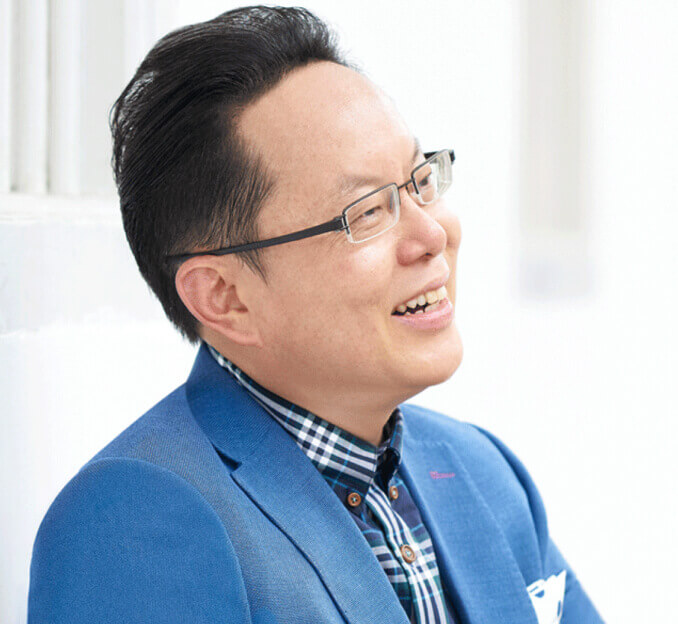
Meet Our Doctor
Dr Michael YC Wong
Medical Director & Senior Consultant Urologist
FAMS (Urology), FICS (USA), FRCS (Edinburgh),
M Med (Surgery), MBBS (S’pore)
Dr Michael Wong is the medical director and senior consultant urologist at the International Urology, Fertility and Gynaecology Centre, Mount Elizabeth Medical Centre. He has completed specialised training in urology, fertility and minimally invasive surgery at established centres in the USA.
His contributions to urology have earned international recognition. Dr Wong has been elected President of the Endourological Society and World Congress of Endourology, becoming the only urologist from ASEAN to hold this position. He has also served as the only Asian urologist appointed Co-Chairman of the WHO’s International Consultation on Stone Diseases, where he contributes to setting global guidelines for kidney stone management. These appointments reflect his longstanding leadership in advancing urological care, education and clinical standards worldwide.
Let us help you
Restore your urological health.
Make an appointment with Dr Michael Wong to receive a tailored, supportive and targeted care plan.
Office
Location
3 Mount Elizabeth Road, #10-09,
Mount Elizabeth Medical Centre,
Singapore 228510
Contact
Number
Email
Address
Opening
Hours