
Mon-Fri | : 9:00am - 1:00pm 2:00pm - 5:00pm |
Sat | : 9:00am - 12:00pm |
Sun/PH | : Closed |
2:00pm - 5:00pm







What to Expect at a Specialist Urology Clinic in Singapore

It is not uncommon to feel uneasy at the thought of visiting a specialist urology clinic, especially when you are unsure what the appointment will involve. Questions about examinations, tests and what might be discussed can make the experience seem more intimidating than it actually is.
In reality, a visit to a urologist is a structured and professional process focused on understanding your symptoms and identifying the right course of care. By knowing what to expect, from the initial consultation to possible diagnostic tests, you can approach your appointment with greater confidence and peace of mind.
When Should You Visit a Urologist?
Urologists specialise in conditions affecting the urinary tract in both men and women, as well as the male reproductive system. While some symptoms may seem minor at first, persistent or unusual changes can indicate underlying issues that benefit from early evaluation. You may consider seeing a urologist if you experience:
- Frequent urination, difficulty passing urine or urinary incontinence
- Pain or burning sensation during urination, which may indicate a urinary tract infection
- Blood in the urine or persistent bladder discomfort
- Lower abdominal or flank pain, often linked to kidney stones
- Concerns about the prostate, such as symptoms of an enlarged prostate
- Male health concerns such as erectile dysfunction
- Fertility concerns, including evaluation prior to in-vitro fertilisation (IVF)or procedures such as vasectomy
What Happens During Your First Consultation?
Your first visit to a specialist urology clinic is designed to be thorough yet straightforward, with a focus on understanding your symptoms and medical history. The consultation typically begins with a discussion about your concerns, including when your symptoms started, how often they occur and any relevant lifestyle or medical factors. This helps the urologist form an initial assessment and determine the next steps.
A physical examination may follow, depending on your symptoms. This can include an abdominal examination to check for tenderness or swelling, as well as a focused assessment of the urinary or reproductive organs. For men, this may involve a prostate examination, which is performed gently and only when necessary. Your comfort, privacy and consent are always prioritised throughout the process.
If needed, the urologist may recommend initial tests during or after the consultation to gather more information. This may also include discussions around fertility, especially if you are planning for procedures or exploring treatment options. Simple, non-invasive assessments such as urine or blood tests are commonly used to identify possible infections, inflammation or other underlying conditions.
Common Diagnostic Tests You May Undergo
After your initial consultation, your urologist may recommend diagnostic tests to better understand your condition. Not all patients will require every test, as the choice depends on your symptoms and clinical findings. Common tests may include:
- Urine tests to check for signs of infection, blood or abnormalities in the urinary system
- Blood tests to assess overall organ function and detect markers of inflammation or other concerns
- Ultrasound scans to evaluate internal structures within the urinary tract
- CT scans for more detailed imaging when investigating complex conditions
- Uroflowmetry, which measures the rate and flow of urine
- Cystoscopy, where a small camera is used to examine the inside of the urinary tract
What Happens After Your Consultation?
After your consultation and any necessary tests, your urologist will explain the findings and discuss the next steps in a clear and structured manner. This may include a confirmed diagnosis or a working assessment based on your symptoms and test results.
Depending on your condition, treatment options can vary. Some cases may be managed with medication or lifestyle adjustments, while others may require further monitoring or procedures. For more complex conditions, such as prostate cancer or kidney cancer, your urologist may discuss additional investigations or specialised treatment options.
In certain situations, treatment planning may also involve procedures such as vasectomy reversal or referrals for assisted reproductive options like in-vitro fertilisation (IVF), depending on your goals and clinical needs.
Follow-up appointments may be scheduled to track your progress or review test results. These visits are important to ensure that your treatment is working as intended and to make any necessary adjustments. Understanding what comes after your consultation can help you feel more prepared and confident in managing your condition.

Start Your Journey Towards Better Urological Health
Visiting a specialist urology clinic may feel unfamiliar, but understanding what to expect can make the experience more manageable. From consultation to diagnosis and follow-up care, each step is designed to provide clarity and guide appropriate treatment. With early evaluation and the right support, many urological conditions can be effectively managed.
At the International Urology, Fertility and Gynaecology Centre, we are committed to providing comprehensive and patient-centred care, from initial consultation to diagnosis and treatment planning. Led by Dr Michael YC Wong, a senior consultant urologist internationally recognised for his expertise in minimally invasive endourology, our clinic focuses on delivering precise and effective care tailored to each patient’s condition. Schedule a consultation with our team if you have concerns that require a specialist evaluation.
FAQs About What to Expect at a Urology Clinic
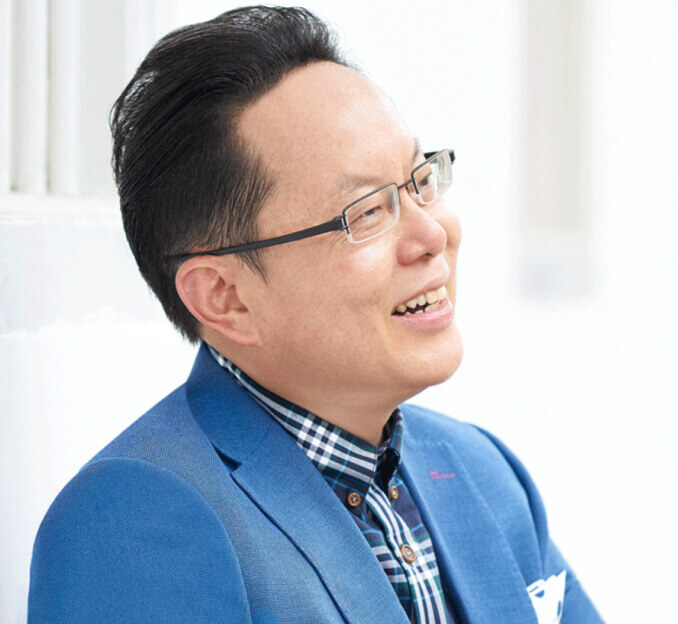
Dr Michael YC Wong
Medical Director & Senior Consultant Urologist
FAMS (Urology), FICS (USA), FRCS (Edinburgh),
M Med (Surgery), MBBS (S’pore)
Dr Michael Wong is the medical director and senior consultant urologist at the International Urology, Fertility and Gynaecology Centre, Mount Elizabeth Medical Centre. He has completed specialised training in urology, fertility and minimally invasive surgery at established centres in the USA.
Dr Wong is the only urologist from ASEAN elected to the Board of Directors of the Endourological Society and World Congress of Endourology, recognising his global leadership in endourology. He also serves as the only Asian urologist appointed Co-Chairman of the WHO’s International Consultation on Stone Diseases, where he contributes to setting global guidelines for kidney stone management.
Let us help you
Restore your urological health.
Make an appointment with Dr Michael Wong to receive a tailored, supportive and targeted care plan.
Office
Location
3 Mount Elizabeth Road, #10-09,
Mount Elizabeth Medical Centre,
Singapore 228510
Contact
Number
Email
Address
Opening
Hours