
Mon-Fri | : 9:00am - 1:00pm 2:00pm - 5:00pm |
Sat | : 9:00am - 12:00pm |
Sun/PH | : Closed |
2:00pm - 5:00pm







What Does Kidney Stone Pain Feel Like?


Kidney stone pain is often described as one of the most intense types of pain a person can experience. It can come on suddenly, without warning, and feel far more severe than expected for something so small. For many people, the first episode is also the most confusing, especially if they are unsure what is causing it.
Understanding what kidney stone pain feels like and how it presents can help you recognise it early. Knowing the typical symptoms and when to seek medical attention is important, as some cases may require urgent care.
Key Takeaways
- Kidney stone pain is often sudden, severe and comes in waves, typically starting in the back or side and moving towards the lower abdomen or groin
- The pain may shift in location and intensity as the stone moves through the urinary tract
- Common symptoms include nausea, vomiting, blood in the urine and frequent or painful urination
- Certain signs such as fever, inability to pass urine or severe, unrelenting pain may indicate a medical emergency
- Recognising these symptoms early and seeking timely medical evaluation can help prevent complications and support effective treatment
What Does Kidney Stone Pain Feel Like?
Kidney stone pain is typically sudden, severe and comes in waves, often starting in the back or side and moving towards the lower abdomen or groin.
People commonly describe it as:
- Sharp, cramping pain that can be intense and difficult to ignore
- Pain that comes and goes in waves (known as renal colic)
- Pain that shifts location as the stone moves through the urinary tract
- Discomfort that makes it hard to stay still or find a comfortable position
The intensity can vary depending on the size and location of the stone, but it is often strong enough to disrupt normal activities and require medical attention.
What Are Some Common Symptoms of Kidney Stones?
Kidney stones can cause a range of symptoms, depending on their size and where they are located in the urinary tract.
Common symptoms include:
- Severe pain in the back or side, often below the ribs
- Pain that radiates to the lower abdomen or groin
- Nausea and vomiting, especially during intense pain episodes
- Blood in the urine, which may appear pink, red, or brown
- Frequent or painful urination, particularly if the stone is near the bladder
- Cloudy or foul-smelling urine, which may suggest irritation or infection
These symptoms may come and go, especially as the stone moves. While some people may experience mild discomfort, others may have more intense and persistent symptoms.
How Does Kidney Stone Pain Change Over Time?
Kidney stone pain often changes as the stone moves through the urinary tract, which is why it can feel unpredictable.
In the early stages, pain may begin suddenly in the back or side when the stone starts to move out of the kidney. As it enters the ureter, the narrow tube connecting the kidney to the bladder, the pain typically becomes more intense and comes in waves.
As the stone continues to travel, the pain may shift from the side to the lower abdomen or groin. The intensity often fluctuates, with periods of severe pain followed by temporary relief. You may also notice changes in urinary symptoms, especially as the stone moves closer to the bladder.
Once the stone reaches the bladder, symptoms may ease, and passing it through urination is usually less painful. This pattern of shifting and fluctuating pain is a key feature of kidney stones and helps distinguish it from other types of abdominal or back pain.
When Is Kidney Stone Pain an Emergency?
Kidney stone pain can be severe, but certain symptoms may indicate a medical emergency that requires immediate attention.
You should seek urgent care if you experience:
- Fever or chills, which may suggest a serious infection
- Inability to pass urine, indicating a possible blockage
- Severe, unrelenting pain that does not improve with medication
- Persistent nausea or vomiting, making it difficult to stay hydrated
- Heavy or worsening blood in the urine
These signs may indicate complications such as infection or obstruction, which can become serious if not treated promptly.
If you are unsure, it is always safer to seek medical evaluation early. Prompt care can help relieve symptoms, prevent complications and ensure the appropriate treatment is given.
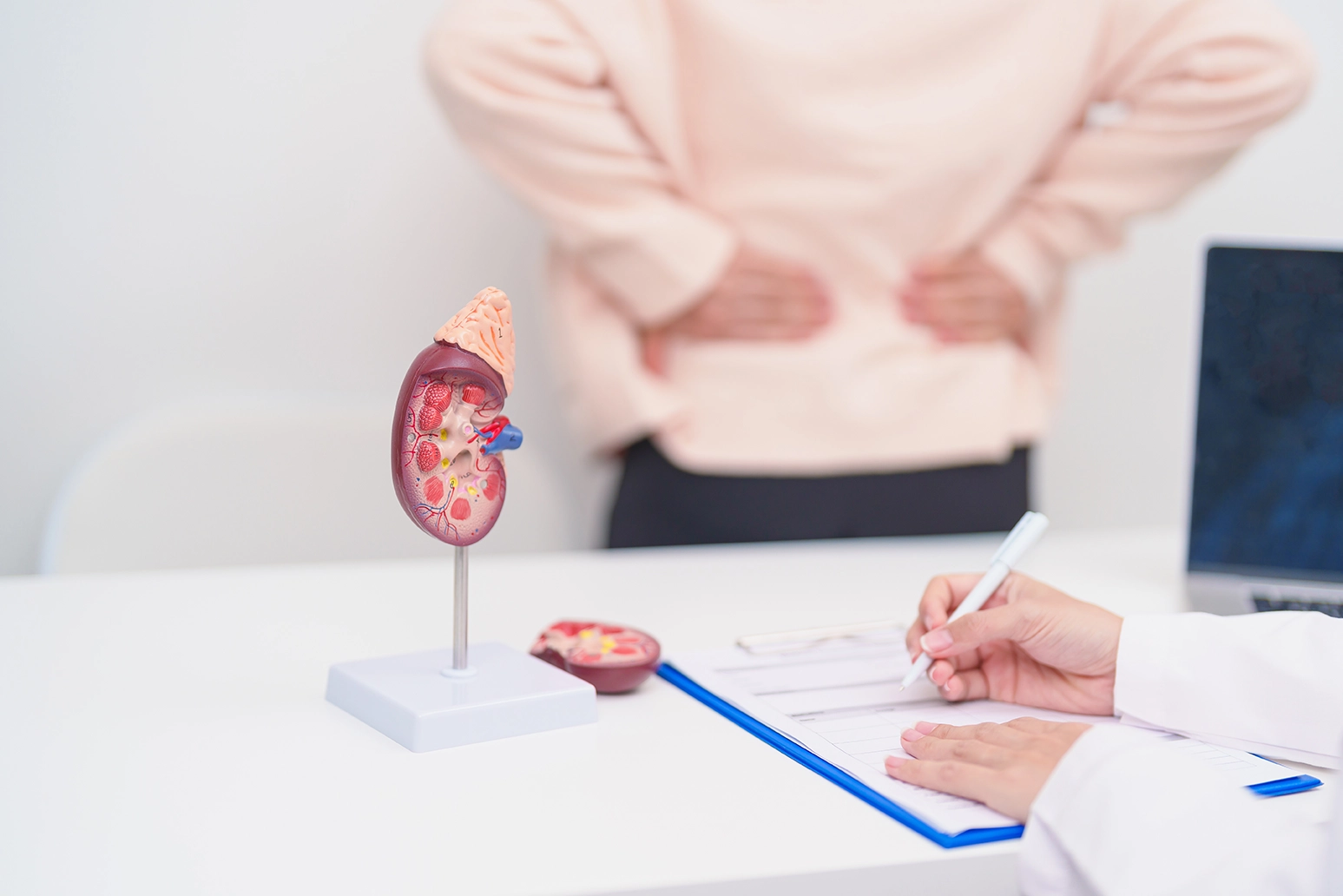
Clinical Guidance on Kidney Stone Pain
Kidney stone pain can be intense and unsettling, but recognising its typical pattern can help you respond more confidently. Paying attention to accompanying symptoms and changes over time is key to knowing when to seek care. With timely evaluation and appropriate treatment, most cases can be managed effectively.
International Urology, Fertility and Gynaecology Centre is a urology clinic in Singapore where patients can receive comprehensive evaluation and personalised management for kidney stones and other urinary conditions, ensuring care that is both precise and responsive to individual needs. Patients are assessed by Dr Michael YC Wong, who has extensive experience in minimally invasive endourology, including the treatment of kidney stones. Schedule a consultation with our specialist if you are experiencing symptoms of kidney stones and would like clarity on your condition and treatment options.
FAQs About Kidney Stone Pain

Dr Michael YC Wong
Medical Director & Senior Consultant Urologist
FAMS (Urology), FICS (USA), FRCS (Edinburgh),
M Med (Surgery), MBBS (S’pore)
Dr Michael Wong is the medical director and senior consultant urologist at the International Urology, Fertility and Gynaecology Centre, Mount Elizabeth Medical Centre. He has completed specialised training in urology, fertility and minimally invasive surgery at established centres in the USA.
Dr Wong is the only urologist from ASEAN elected to the Board of Directors of the Endourological Society and World Congress of Endourology, recognising his global leadership in endourology. He also serves as the only Asian urologist appointed Co-Chairman of the WHO’s International Consultation on Stone Diseases, where he contributes to setting global guidelines for kidney stone management.
Let us help you
Restore your urological health.
Make an appointment with Dr Michael Wong to receive a tailored, supportive and targeted care plan.
Office
Location
3 Mount Elizabeth Road, #10-09,
Mount Elizabeth Medical Centre,
Singapore 228510
Contact
Number
Email
Address
Opening
Hours