
Mon-Fri | : 9:00am - 1:00pm 2:00pm - 5:00pm |
Sat | : 9:00am - 12:00pm |
Sun/PH | : Closed |
2:00pm - 5:00pm







How Does Vasectomy Compare With Other Contraceptive Options?
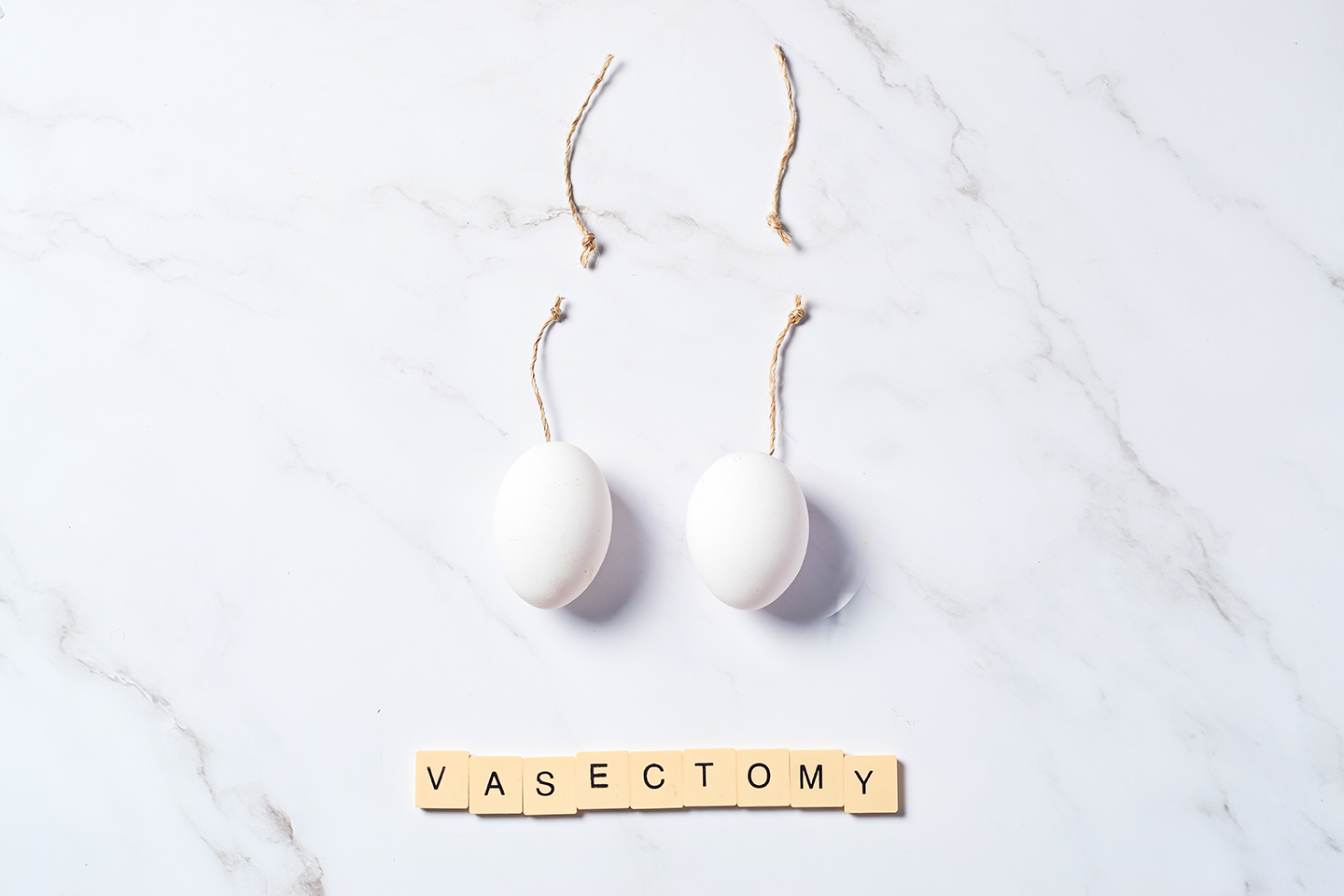

Vasectomy differs from most other contraceptive options because it provides permanent, non-hormonal contraception without requiring ongoing use once its success has been confirmed. However, unlike reversible methods, it is generally intended for men who do not want biological children in the future.
Other contraceptive options such as condoms, birth control pills, IUDs and implants differ in their permanence and whether ongoing use or replacement is required. Vasectomy also differs from female sterilisation in how the procedure is performed and the recovery process afterwards. Understanding these differences can help you consider how vasectomy fits alongside the other contraceptive options available.
Key Takeaways
- Vasectomy is a permanent, non-hormonal form of contraception.
- Once confirmed successful, vasectomy requires little ongoing contraceptive action.
- Reversible methods such as condoms, pills, IUDs and implants can be stopped or removed if reproductive plans change.
- Some people choose vasectomy to avoid ongoing contraceptive use or reliance on hormonal methods.
How Does a Vasectomy Work?
A vasectomy prevents sperm from entering the semen by physically interrupting the tubes that carry sperm from the testicles. It is designed as a long-term contraceptive solution rather than something that needs to be used before sex or taken regularly.
Blocking the Sperm Pathway
During a vasectomy, the vas deferens—the tubes that transport sperm from the testicles—are divided, sealed or otherwise interrupted. Sperm can therefore no longer travel into the semen that is ejaculated during sex. The testicles continue producing sperm after the procedure, but the body naturally absorbs them.
Contraception Without Hormones
Unlike birth control pills, injections, implants and some intrauterine devices, a vasectomy does not alter hormone levels. Testosterone production continues normally because the procedure does not involve removing or altering the testicles. This means a vasectomy is not expected to change the hormonal processes responsible for characteristics such as facial hair, muscle development or sexual desire.
How Effective Is a Vasectomy as a Birth Control Method?
A successful vasectomy is a permanent form of contraception and is one of the most effective methods of preventing pregnancy. Unlike condoms, birth control pills and other methods that rely on correct or regular use, its effectiveness does not depend on any ongoing action.
- Less room for user error: Temporary contraceptive methods can be highly effective when used correctly, but missed pills, incorrect condom use or delayed injections and replacements can reduce their effectiveness in practice. This is not the case for successful vasectomies.
- Permanence: This effectiveness comes with an important trade-off. A vasectomy should generally be considered permanent, whereas condoms, pills, IUDs and implants allow contraception to be stopped or removed if reproductive plans change.
How Does Vasectomy Differ From Reversible Contraceptive Methods?
Vasectomy is intended to be permanent, while reversible contraceptive methods can be stopped or removed.
- Condoms: Condoms are non-hormonal and used only when needed, with their contraceptive effect ending when they are no longer used. Unlike a vasectomy, they can also reduce the risk of many sexually transmitted infections. However, they need to be used correctly every time sex occurs.
- Birth control pills: Birth control pills provide reversible hormonal contraception but need to be taken regularly. Some formulations can also help manage menstrual symptoms, although hormonal side effects can occur and suitability varies according to individual health factors.
- IUDs: IUDs provide long-acting but reversible contraception without requiring daily attention. Hormonal and non-hormonal options are available and the device can be removed if pregnancy is desired.
- Contraceptive implants: Implants provide long-acting hormonal contraception with little day-to-day involvement. Unlike vasectomy, they can be removed if reproductive plans change, although changes in menstrual bleeding and other hormonal effects can occur.
Why Do Some People Choose a Vasectomy Over Other Contraceptive Methods?
Some people choose a vasectomy because it provides permanent contraception without requiring ongoing contraceptive use. For men or couples who are certain they do not want future pregnancies, this can remove the need to remember, replace or regularly use a contraceptive method.
- No ongoing contraceptive use: A vasectomy provides permanent contraception without requiring a couple to remember, replace or regularly use another contraceptive method. It also does not alter a man’s hormone levels and can reduce reliance on hormonal contraceptive methods used by a female partner.
- Lower procedural risk than female sterilisation: For couples deciding between permanent contraceptive procedures, vasectomy is generally less invasive and carries fewer procedural risks than female sterilisation. Vasectomy is usually performed through a small opening in the scrotum under local anaesthesia, whereas female sterilisation requires access to the fallopian tubes within the abdomen or pelvis. This can make vasectomy the safer procedural option when a couple is deciding which partner should undergo permanent contraception.
- A relatively short recovery: Vasectomy usually involves a relatively short recovery, with temporary soreness, swelling or bruising being common after the procedure. Most men can return to light activities within a relatively short period, which can make permanent contraception less disruptive to work and everyday routines.
These factors can make vasectomy worth considering for permanent contraception, but its permanence remains an important part of the decision.

Discussing Your Contraceptive Options with Dr Michael Wong
Choosing a vasectomy means making a long-term decision about contraception. It is a significant decision, and as such, it is important to understand your full range of options so that you can make an informed choice.
At the International Urology, Fertility and Gynaecology Centre , Senior Consultant Urologist Dr Michael Wong can walk you through the contraceptive options available and discuss how they relate to your health, preferences and family plans. If you are considering a vasectomy, he can also explain the procedure, what to expect afterwards and the follow-up required before it can be relied on for contraception.
Book an appointment with Dr Wong to discuss your contraceptive options and whether a vasectomy may be appropriate for you.
Frequently Asked Questions

Meet Our Doctor
Dr Michael YC Wong
Medical Director & Senior Consultant Urologist
FAMS (Urology), FICS (USA), FRCS (Edinburgh),
M Med (Surgery), MBBS (S’pore)
Dr Michael Wong is the medical director and senior consultant urologist at the International Urology, Fertility and Gynaecology Centre, Mount Elizabeth Medical Centre. He has completed specialised training in urology, fertility and minimally invasive surgery at established centres in the USA.
His contributions to urology have earned international recognition. Dr Wong has been elected President of the Endourological Society and World Congress of Endourology, becoming the only urologist from ASEAN to hold this position. He has also served as the only Asian urologist appointed Co-Chairman of the WHO’s International Consultation on Stone Diseases, where he contributes to setting global guidelines for kidney stone management. These appointments reflect his longstanding leadership in advancing urological care, education and clinical standards worldwide.
Let us help you
Restore your urological health.
Make an appointment with Dr Michael Wong to receive a tailored, supportive and targeted care plan.
Office
Location
3 Mount Elizabeth Road, #10-09,
Mount Elizabeth Medical Centre,
Singapore 228510
Contact
Number
Email
Address
Opening
Hours