
Mon-Fri | : 9:00am - 1:00pm 2:00pm - 5:00pm |
Sat | : 9:00am - 12:00pm |
Sun/PH | : Closed |
2:00pm - 5:00pm







Identifying the Primary Causes of Chronic Kidney Disease
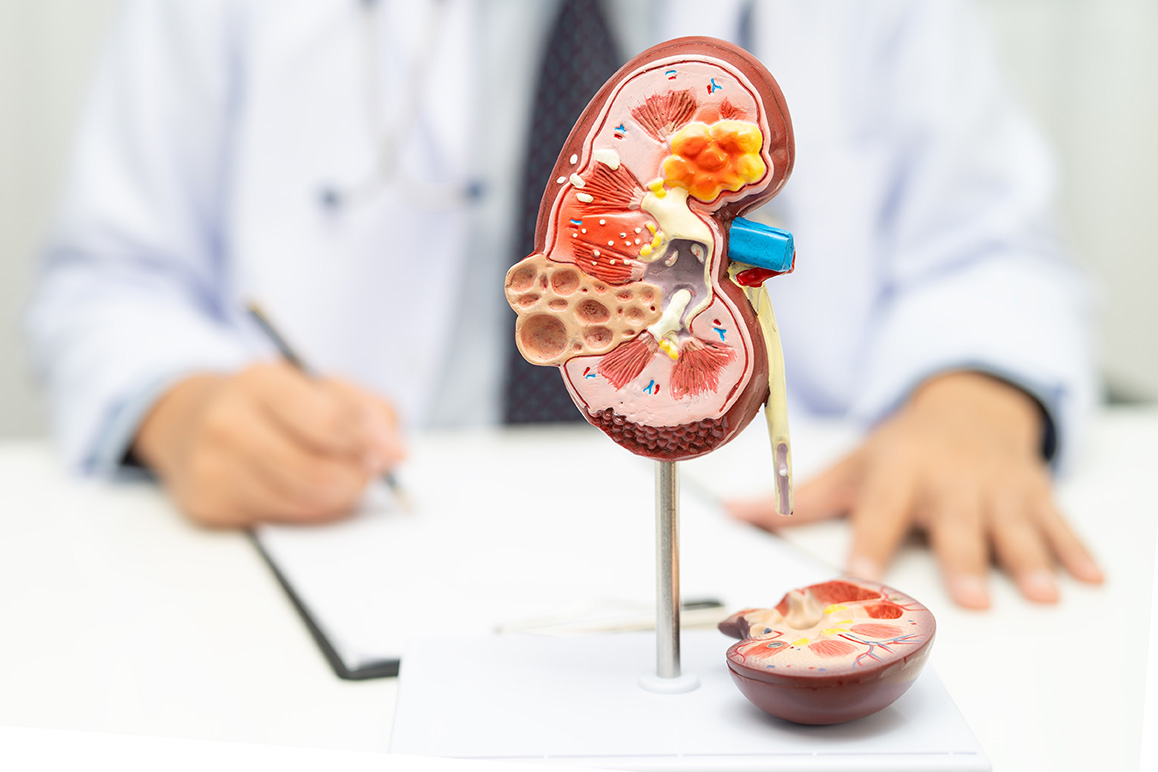

Chronic kidney disease (CKD) is a progressive condition that can develop without noticeable symptoms in its early stages. Diabetes and hypertension are among the leading causes, although factors such as genetics, autoimmune disorders and lifestyle habits can also contribute to kidney damage. Understanding these causes is key to early detection, prevention and long-term kidney health.
What Are the Primary Causes of Chronic Kidney Disease?
Chronic kidney disease (CKD) occurs when the kidneys gradually lose their ability to filter waste and excess fluids from the blood. The condition often develops over many years and may progress without noticeable symptoms in its early stages. While several health conditions can contribute to kidney damage, some causes are far more common than others.
Diabetes
Diabetes is the leading cause of chronic kidney disease. Persistently high blood sugar levels can damage the small blood vessels responsible for filtering waste from the blood. Over time, this damage can reduce kidney function and increase the risk of kidney failure if left unmanaged.
Hypertension (High Blood Pressure)
High blood pressure is another major cause of CKD. Elevated blood pressure forces the kidneys to work harder, placing strain on the delicate blood vessels within the organs. This ongoing damage can impair the kidneys' ability to function properly and accelerate disease progression.
Other Medical Conditions and Factors
In addition to diabetes and hypertension, several other conditions can contribute to chronic kidney disease.
Other Medical Conditions
These include glomerulonephritis, polycystic kidney disease, autoimmune disorders such as lupus, recurrent kidney infections and urinary tract obstructions.
Lifestyle Factors
Smoking, obesity and long-term use of some medications may also increase the risk of developing CKD.
How Do Hypertension and Diabetes Cause Chronic Kidney Disease?
Diabetes and hypertension are the leading causes of chronic kidney disease (CKD). Both conditions can gradually damage the kidneys, reducing their ability to filter waste and excess fluids from the blood.
How Diabetes Damages the Kidneys
Persistently high blood sugar levels can damage the small blood vessels in the kidneys, impairing their filtering function. Over time, this can lead to diabetic nephropathy, a common complication that increases the risk of kidney failure.
How High Blood Pressure Affects Kidney Function
High blood pressure puts extra strain on the blood vessels within the kidneys. As these vessels become damaged or narrowed, blood flow decreases and kidney function declines, accelerating the progression of CKD.
Why Managing Both Conditions Matter
When diabetes and hypertension occur together, the risk of kidney damage increases significantly. Managing blood sugar and blood pressure levels can help slow CKD progression and support long-term kidney health.
What Lifestyle Changes Can Help Prevent Chronic Kidney Disease?
While not all cases of chronic kidney disease (CKD) can be prevented, adopting healthy lifestyle habits can significantly reduce the risk of developing kidney damage and support long-term renal health.
Maintain Healthy Blood Pressure and Blood Sugar Levels
Managing blood pressure and blood sugar is one of the most effective ways to prevent CKD. Regular health screenings, prescribed medications and following medical advice can help keep these conditions under control.
Follow a Kidney-Friendly Diet
A balanced diet rich in fruits, vegetables, whole grains and lean proteins can support kidney function. Limiting sodium, processed foods and excessive sugar intake may also help reduce the risk of kidney disease.
Stay Active and Avoid Harmful Habits
Regular physical activity can help maintain a healthy weight and lower the risk of conditions linked to CKD. Additionally, avoiding smoking and limiting alcohol consumption can protect both the kidney and overall health.
Personalised Treatment with Dr Michael Wong
Chronic kidney disease is a progressive condition that can significantly impact overall health if left untreated. Understanding its primary causes—particularly diabetes and hypertension—and adopting healthy lifestyle habits can help reduce the risk of kidney damage and support long-term renal function. Early detection and proper management remain key to slowing disease progression and maintaining quality of life.
At International Urology, Fertility, and Gynaecology Centre, our team is committed to providing comprehensive kidney care tailored to each patient's needs. Learn more about our specialists, including Dr Michael Wong and discover how our expertise can support your kidney health journey.
If you have concerns about your kidney health or would like professional guidance, book an appointment with our team today to take the first step toward better long-term wellness.
Frequently Asked Questions (FAQs)
About the Primary Causes of Chronic Kidney Disease

Meet Our Specialist
Dr Michael YC Wong
Medical Director & Senior Consultant Urologist
FAMS (Urology), FICS (USA), FRCS (Edinburgh),
M Med (Surgery), MBBS (S’pore)
Dr Michael Wong is the medical director and senior consultant urologist at the International Urology, Fertility and Gynaecology Centre, Mount Elizabeth Medical Centre. He has completed specialised training in urology, fertility and minimally invasive surgery at established centres in the USA.
Dr Wong is the only urologist from ASEAN elected to the Board of Directors of the Endourological Society and World Congress of Endourology, recognising his global leadership in endourology. He also serves as the only Asian urologist appointed Co-Chairman of the WHO’s International Consultation on Stone Diseases, where he contributes to setting global guidelines for kidney stone management.
Let us help you
Restore your urological health.
Make an appointment with Dr Michael Wong to receive a tailored, supportive and targeted care plan.
Office
Location
3 Mount Elizabeth Road, #10-09,
Mount Elizabeth Medical Centre,
Singapore 228510
Contact
Number
Email
Address
Opening
Hours