
Mon-Fri | : 9:00am - 1:00pm 2:00pm - 5:00pm |
Sat | : 9:00am - 12:00pm |
Sun/PH | : Closed |
2:00pm - 5:00pm





How an IVF Specialist Personalises Your Treatment Plan
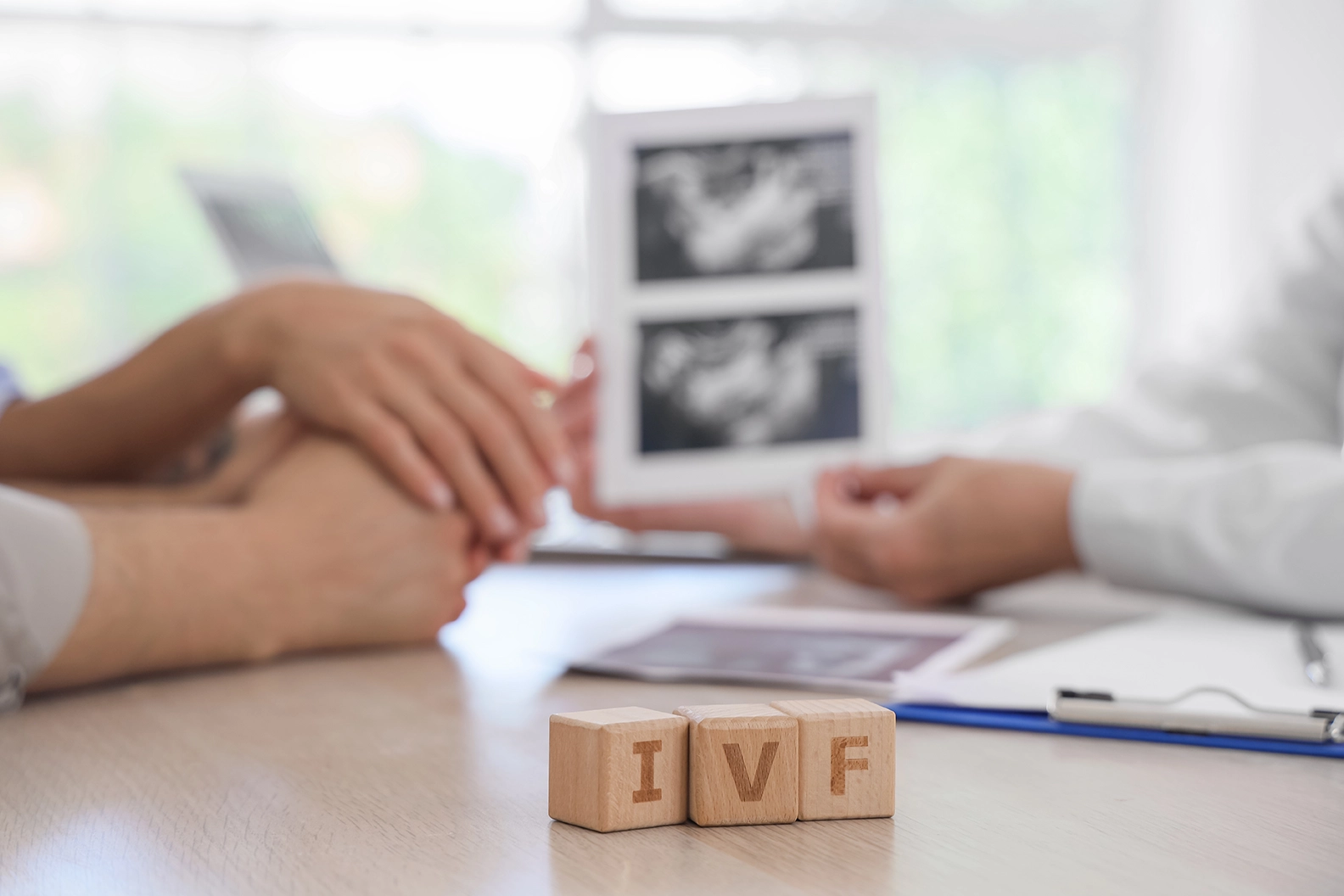

In-vitro fertilisation (IVF) is often talked about as a single treatment but in reality, no two IVF journeys are exactly the same. What works for one person may not work for another, even if the diagnosis appears similar on paper. This is because fertility is influenced by a complex mix of biological, hormonal and lifestyle factors.
Behind every IVF cycle is a carefully tailored plan, designed to respond to how your body functions at each stage. Understanding how this personalisation works can help you feel more confident and informed as you navigate the process.
What Does “Personalised IVF Treatment” Mean?
Personalised IVF treatment means that every step of the process is tailored to your individual fertility profile, rather than following a standard approach. IVF is not a one-size-fits-all treatment and outcomes can vary depending on a range of personal factors.
An IVF specialist considers several key aspects when designing your treatment plan, including:
- Age and reproductive history, which can influence egg quality and response to treatment
- Hormone levels and ovarian reserve, which help determine how your body may respond to stimulation
- Underlying fertility conditions, such as endometriosis or male factor issues
- Previous treatment responses, if you have undergone fertility treatments before
By taking these factors into account, the specialist can adjust medication types, dosages and timing to suit your needs. The goal is to optimise your chances of success while reducing unnecessary risks, making treatment more precise and responsive to your body.
How Your Initial Assessment Shapes the Plan
Before starting IVF, a detailed assessment is carried out to gather the data needed to guide your treatment plan. Rather than simply identifying potential issues, this step helps your specialist make informed decisions about how your body is likely to respond and how best to manage each stage of the cycle.
For women, this typically involves blood tests and ultrasound scans to evaluate ovarian response and reproductive health. For men, a semen analysis provides key insights into sperm function and quality.
These findings are then used to determine:
- The most appropriate medication protocol, tailored to your expected response
- The dosage and duration of stimulation, to balance effectiveness and safety
- The timing of key procedures, such as egg retrieval, based on how your body responds
This data-driven approach allows your IVF specialist to plan ahead while remaining flexible. As your cycle progresses, the plan can be adjusted in real time to ensure each step aligns with your individual response, making the treatment more precise and controlled.
Personalising Each Step of the IVF Cycle
Once your treatment plan is in place, personalisation continues throughout every stage of the IVF cycle. Your specialist closely monitors how your body responds and adjusts the approach to optimise outcomes.
During ovarian stimulation, medication doses may be modified based on your response. The goal is to support the development of an appropriate number of eggs while minimising risks.
The timing of egg retrieval is carefully determined based on follicle development, ensuring that eggs are collected at the optimal stage of maturity.
Following fertilisation, decisions around embryo transfer are also personalised. This may involve choosing between a fresh or frozen transfer, depending on hormone levels, uterine readiness and overall response.
The Role of the IVF Laboratory in Personalised Care
While much of IVF happens in the clinic, a significant part of the process takes place in the laboratory. This is where key steps are carried out under highly controlled conditions, including:
- Handling of eggs and sperm
- Fertilisation of the egg
- Monitoring of embryo development
One key decision is the method of fertilisation. Depending on sperm quality and previous outcomes, the laboratory may use conventional IVF or intracytoplasmic sperm injection (ICSI), where a single sperm is injected directly into the egg. This choice is tailored to maximise the chances of successful fertilisation.
After fertilisation, embryos are cultured and observed as they develop. Advanced laboratory techniques allow embryologists to assess growth patterns and select the embryos with the best potential for implantation. The timing of embryo transfer and whether embryos are frozen for later use are also guided by these observations.

Moving Forward with a Tailored IVF Approach
IVF is not a standardised process and personalisation plays a key role in improving outcomes at every stage. By tailoring both the clinical and laboratory aspects of treatment, your specialist can respond to your unique needs and optimise each step of the cycle.
International Urology, Fertility and Gynaecology Centre is a fertility clinic in Singapore that offers personalised IVF care guided by a deep understanding of each patient’s unique fertility profile. The clinic is led by Dr Michael YC Wong, who previously served as Director of the SGH Urology Centre and Director of SGH Specialist Practice at Gleneagles Hospital. If you are considering IVF or would like to find out more about the experience, Schedule a consultation with our specialist to receive clarity and guidance.
FAQs About Personalised IVF Treatment
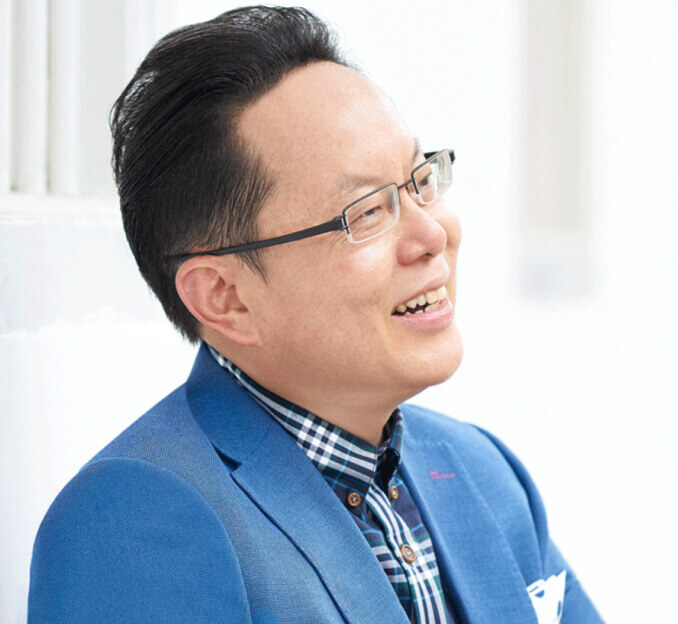
Dr Michael YC Wong
Medical Director & Senior Consultant Urologist
FAMS (Urology), FICS (USA), FRCS (Edinburgh),
M Med (Surgery), MBBS (S’pore)
Dr Michael Wong is the medical director and senior consultant urologist at the International Urology, Fertility and Gynaecology Centre, Mount Elizabeth Medical Centre. He has completed specialised training in urology, fertility and minimally invasive surgery at established centres in the USA.
Dr Wong is the only urologist from ASEAN elected to the Board of Directors of the Endourological Society and World Congress of Endourology, recognising his global leadership in endourology. He also serves as the only Asian urologist appointed Co-Chairman of the WHO’s International Consultation on Stone Diseases, where he contributes to setting global guidelines for kidney stone management.
Let us help you
Restore your urological health.
Make an appointment with Dr Michael Wong to receive a tailored, supportive and targeted care plan.
Office
Location
3 Mount Elizabeth Road, #10-09,
Mount Elizabeth Medical Centre,
Singapore 228510
Contact
Number
Email
Address
Opening
Hours