Mon-Fri | : 9:00am - 1:00pm 2:00pm - 5:00pm |
Sat | : 9:00am - 12:00pm |
Sun/PH | : Closed |
2:00pm - 5:00pm







Lifestyle Changes to Improve Erectile Dysfunction


Erectile dysfunction (ED) often develops in the shadows, as many men remain hesitant to discuss what is frequently a silent but highly prevalent clinical concern. However, far from being an inevitable consequence of ageing or a permanent diagnosis, ED is often a reversible symptom of underlying vascular or metabolic imbalances. In many instances, difficulties with erectile function serve as an early warning system for the body, signalling that the cardiovascular system requires immediate attention.
Because the mechanics of an erection rely on a complex interplay of blood flow, neurological signals, and hormonal balance, even minor physiological disruptions can lead to significant changes in performance. Recognising this link is the vital first step in providing the clarity needed to navigate a path toward recovery. By prioritising lifestyle modifications and addressing these systemic health markers early, you can often restore natural function and ensure long-term physical wellbeing.
The Vascular Connection: Why Heart Health is Penile Health
The ability to achieve an erection is directly linked to how well your blood flows throughout your body, as the same system that supports your heart also supports your sexual health.
- An Early Warning System for the Heart: Because the arteries in the penis are much smaller than those in the heart, they are often the first to show signs of blockage or poor circulation. Difficulties with erectile dysfunction often serve as a vital signal that the cardiovascular system needs attention, sometimes appearing years before more serious heart issues develop.
- The Role of Nitric Oxide in Blood Flow: A firm erection depends on the inner lining of your blood vessels releasing nitric oxide, a natural gas that tells the surrounding muscles to relax. When this process is disrupted by high cholesterol or inflammation, the vessels cannot open wide enough to allow the necessary surge of blood to enter.
Dietary Shifts: Fueling Better Circulation
The nutrients you consume serve as the primary fuel for maintaining blood vessel elasticity and flow, making a balanced nutrition plan a vital step in supporting sexual health.
- Adopting the Mediterranean and DASH Apprach: Diets such as the Mediterranean or DASH (Dietary Approaches to Stop Hypertension) are considered the gold standard for erectile health. These patterns, which focus on whole grains and lean proteins, reduce inflammation and lower cholesterol to ensure that smaller arteries remain clear of plaque build-up.
- Prioritising Nutrients That Boost Circulation: Specific compounds like L-arginine and nitrates—found in abundance in leafy greens—are essential for your body to produce nitric oxide. By increasing these nutrients, you empower your blood vessels to relax more effectively, allowing for the rapid influx of blood required to achieve a firm erection.
- Eliminating Foods That Cause Inflammation: High-sugar and ultra-processed foods can lead to insulin resistance and a subsequent drop in testosterone levels. Reducing these empty calories prevents the blood sugar spikes that damage the delicate inner lining of your vessels, preserving both your vascular and hormonal health.
Weight Management and Metabolic Balance
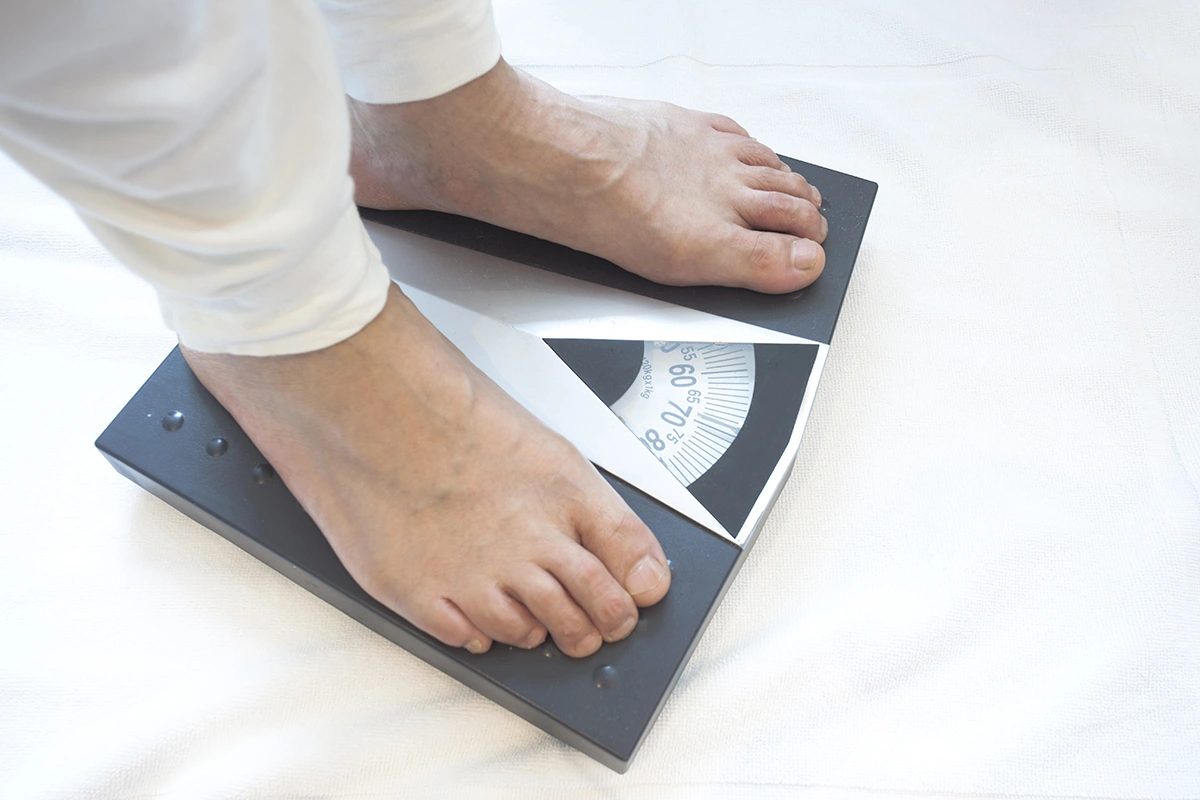
Maintaining a healthy weight is a clinical cornerstone for preserving erectile health, as metabolic stability directly influences both your hormones and your nervous system.
- The Hormonal Impact of Excess Body Fat: Body fat is metabolically active and can actually convert your testosterone into oestrogen. This hormonal shift often lowers your libido and diminishes the quality of erections, while also causing inflammation that damages your blood vessel lining.
- Blood Sugar and Nerve Damage: Poorly managed blood sugar levels can lead to nerve damage, which affects the delicate signals sent from the brain to the pelvic region. When these pathways are compromised, the body cannot effectively trigger the relaxation of muscles required for blood to flow into the penis.
- Protecting the Smallest Blood Vessels: High blood sugar can cause the smallest blood vessels in the body to harden and become less flexible. By managing your weight and keeping your metabolism in balance, you protect these tiny vessels from permanent damage and ensure they remain responsive during arousal.
Physical Activity: Strengthening the Pelvic Floor and Heart
Regular physical exertion serves as a powerful clinical intervention, directly enhancing the physiological mechanisms required to achieve and sustain peak erectile function.
- The Role of Cardiovascular Training: Engaging in at least 30 minutes of aerobic exercise daily, such as brisk walking or cycling, significantly improves systemic circulation and heart health. This consistent activity strengthens the cardiac muscle, ensuring it can efficiently pump blood to the smaller arteries throughout the body.
- Strengthening the Pelvic Floor (Kegels): Often misunderstood as a female-only exercise, pelvic floor training is essential for men to support the deep muscles at the base of the penis. Strengthening these specific muscle groups provides the structural support necessary to trap blood where it is needed, directly improving the firmness and duration of an erection.
- Boosting Your Natural Nitric Oxide Levels: Consistent physical activity naturally increases your body’s production of nitric oxide. By staying active, you ensure that your blood vessels remain flexible and responsive to chemical signals, allowing them to open up quickly during arousal.
Addressing Habits: Smoking, Alcohol, and Sleep
Daily habits and lifestyle choices are the primary drivers for your overall health, directly influencing the pathways your body needs to achieve and maintain an erection.
- How Nicotine Restricts Blood Flow: Smoking and vaping introduce nicotine and carbon monoxide into your bloodstream, which causes your blood vessels to tighten and narrow. Over time, these toxins damage the delicate lining of your arteries, leading to permanent stiffness and significantly reducing the blood flow reaching the pelvic region.
- The Impact of Alcohol on Performance: While alcohol may lower social inhibitions, regular or heavy consumption acts as a depressant that interferes with the brain's ability to send arousal signals to the rest of the body. Furthermore, long-term use can affect liver function and lead to a drop in testosterone, further diminishing both desire and performance.
- The Critical Role of Restorative Sleep: Your body produces the majority of its daily testosterone during deep, restorative sleep. Constant sleep deprivation disrupts the natural cycle of morning erections, which are essential for keeping penile tissues healthy and ensuring they remain flexible over the long term.
Mental Wellbeing: Managing Performance Anxiety and Stress
While physical factors are fundamental, your mental state serves as the critical ignition switch for your body’s ability to initiate and maintain an erection.
- The Stress Response and Arousal: High stress levels trigger the release of hormones like cortisol and adrenaline, shifting the body into a fight-or-flight response. This state is biologically incompatible with arousal, as the body prioritises survival over non-essential functions, leading to the rapid tightening of blood vessels in the pelvic region.
- Breaking the Psychological Cycle: Performance anxiety often creates a self-fulfilling cycle, where the fear of failure leads to the very outcomes you are trying to avoid. Practising mindfulness or grounding techniques can help quiet the mind, though persistent issues may require specialist therapy to deconstruct underlying triggers and restore confidence.
- The Importance of Stress Management: Chronic stress leads to long-term elevated cortisol, which can interfere with the production of testosterone and other essential hormones. By integrating daily relaxation practices or professional counselling, you can ensure that your nervous system remains balanced and responsive to natural stimuli.
When Lifestyle Changes Need Specialist Support
While lifestyle modifications form the clinical foundation for recovery, certain symptoms indicate that a more targeted medical intervention is required to address deep-seated physiological or hormonal issues.
- Persistent Symptoms for 3+ Months: If erectile dysfunction continues despite consistent improvements in diet and exercise, it suggests an underlying clinical factor that requires a specific medical roadmap.
- Sudden Onset of Functional Issues: A rapid change in erectile quality can be a sign of acute vascular or neurological changes that necessitate immediate professional screening.
- Loss of Spontaneous Morning Erections: The absence of nocturnal erections is a key clinical indicator of physical rather than psychological impairment, reflecting the baseline health of the penile tissues.
- Pain During Arousal or Intercourse: Any physical discomfort or curvature during an erection should be evaluated to rule out conditions like Peyronie’s disease or structural vascular issues.
- Co-occurring Low Libido: A significant drop in sexual desire alongside ED often points toward systemic hormonal imbalances, such as low testosterone, that require blood profiling.
A clinical specialist can assist through comprehensive diagnostic mapping—from blood flow Doppler scans to hormonal profiling—to ensure your treatment plan is tailored to your specific physiological needs.
Restoring Your Vitality: A Clinical Path to Recovery
Addressing erectile dysfunction is not merely about treating a single symptom; it’s about reclaiming your systemic health and long-term physical wellbeing. By understanding the profound connection between your heart, your habits, and your hormonal balance, you can move away from temporary fixes and implement clinical lifestyle shifts to achieve lasting physiological results.
At International Urology, Fertility and Gynaecology Centre, we believe that every patient deserves a clinical roadmap tailored to their unique physiological needs. Whether you’re experiencing persistent symptoms or sudden functional changes, Dr Michael Wong and our specialist team are here to provide the clarity and advanced treatment pathways necessary for a successful recovery.
To learn more about our comprehensive approach to erectile dysfunction and men’s health, explore our website or get in touch with us today to book a confidential consultation.
Frequently Asked Questions (FAQs) About Erectile Dysfunction

Dr Michael YC Wong
Medical Director & Senior Consultant Urologist
FAMS (Urology), FICS (USA), FRCS (Edinburgh),
M Med (Surgery), MBBS (S’pore)
Dr Michael Wong is the medical director and senior consultant urologist at the International Urology, Fertility and Gynaecology Centre, Mount Elizabeth Medical Centre. He has completed specialised training in urology, fertility and minimally invasive surgery at established centres in the USA.
Dr Wong is the only urologist from ASEAN elected to the Board of Directors of the Endourological Society and World Congress of Endourology, recognising his global leadership in endourology. He also serves as the only Asian urologist appointed Co-Chairman of the WHO’s International Consultation on Stone Diseases, where he contributes to setting global guidelines for kidney stone management.
Let us help you
Restore your urological health.
Make an appointment with Dr Michael Wong to receive a tailored, supportive and targeted care plan.
Office
Location
3 Mount Elizabeth Road, #10-09,
Mount Elizabeth Medical Centre,
Singapore 228510
Contact
Number
Email
Address
Opening
Hours