
Mon-Fri | : 9:00am - 1:00pm 2:00pm - 5:00pm |
Sat | : 9:00am - 12:00pm |
Sun/PH | : Closed |
2:00pm - 5:00pm





How Specialists in Singapore Treat Male Infertility


When conception does not happen as expected, it can be a source of stress and uncertainty for both partners. Male infertility is one of several possible factors and understanding it is an important step towards finding a solution.
With the help of a specialist, many underlying causes can be addressed through targeted treatments, offering hope for improved outcomes.
What Causes Male Infertility?
Male infertility can arise from a range of factors that affect sperm production, function or delivery. In many cases, the cause is identifiable and can be addressed with appropriate treatment, although some cases may involve multiple contributing factors. Male infertility may be caused by:
- Sperm-related issues, such as low sperm count, poor motility (movement) or abnormal shape
- Hormonal imbalances that affect the regulation of sperm production
- Structural conditions, including varicocele (enlarged veins in the scrotum) or blockages in the reproductive tract
- Functional issues, such as erectile dysfunction or problems with ejaculation
Sperm-related problems are among the most common causes and can reduce the likelihood of fertilisation. Hormonal imbalances may also interfere with sperm production, particularly when there are disruptions involving the testes or hormone-regulating glands.
Structural conditions, such as varicocele or blockages, can affect the delivery of sperm, while functional issues may impact the ability to achieve or maintain fertilisation. Understanding the underlying cause of male infertility is an important first step, as it allows specialists to recommend targeted treatments that are most likely to improve outcomes.
How Is Male Infertility Diagnosed?
Diagnosing male infertility involves a structured evaluation to identify the underlying cause. This process allows specialists to recommend the most appropriate and effective treatment options.
The assessment typically begins with a detailed consultation. Your specialist will review your medical history, lifestyle factors and any previous attempts at conception. This may include discussions about past illnesses, medications, surgeries or reproductive health concerns. Common diagnostic tests may include:
- Semen analysis, which evaluates sperm count, motility and shape
- Blood tests to assess hormone levels that regulate sperm production
- Scrotal ultrasound to detect structural issues such as varicocele or abnormalities in the testes
- Genetic testing, in selected cases, to identify inherited conditions that may affect fertility
- Testicular biopsy, when needed, to assess sperm production directly
In some cases, additional tests may be recommended if initial results are inconclusive. These are tailored to your specific condition and help provide a clearer picture of your reproductive health.
Medical Treatment Options for Male Infertility
Once the underlying cause of male infertility has been identified, specialists may recommend medical treatments aimed at improving sperm production, function or overall reproductive health. These treatments are tailored to the individual and are often the first line of management before considering surgical options.
Medical treatment may include:
- Hormonal therapy, to correct imbalances that affect sperm production, particularly when there are issues with testosterone or other regulating hormones
- Medications, which may be prescribed to improve sperm quality, support hormone levels or address specific conditions affecting fertility
- Antibiotics or anti-inflammatory treatment, if infections or inflammation are contributing to fertility issues
- Management of functional conditions, such as erectile dysfunction or ejaculation disorders, which can impact the ability to conceive
In some cases, medical treatment alone may not be sufficient to achieve natural conception. Assisted reproductive techniques may then be recommended as part of the treatment plan. These can include:
- In-vitro fertilisation (IVF), where fertilisation occurs outside the body
- Intracytoplasmic sperm injection (ICSI), where a single sperm is injected directly into an egg to improve the chances of fertilisation
The choice of treatment depends on the specific diagnosis, the severity of the condition and the couple’s overall fertility goals. A personalised approach ensures that each patient receives care that is both appropriate and effective.
Surgical Treatment Options and Advanced Procedures
In cases where medical treatment alone is not sufficient, surgical intervention may be recommended to address structural or physical causes of male infertility. These procedures are typically considered when there are identifiable issues affecting sperm production or delivery. Surgical treatment options may include:
- Varicocelectomy, a procedure to repair enlarged veins in the scrotum (varicocele) that may impair sperm production
- Sperm retrieval techniques, such as testicular sperm extraction (TESE) or micro-TESE, which involve collecting sperm directly from the testes for use in assisted reproductive procedures
- Vasectomy reversal, which reconnects the vas deferens to restore the flow of sperm after a previous vasectomy
- Correction of blockages, where microsurgical techniques are used to remove obstructions in the reproductive tract and improve sperm transport
These procedures are often performed using minimally invasive or microsurgical techniques, which aim to reduce recovery time and improve precision. The choice of procedure depends on the underlying cause, overall health and reproductive goals of the patient.
Surgical treatment may be used on its own or in combination with assisted reproductive techniques to optimise the chances of conception. A thorough evaluation by a specialist ensures that the most appropriate approach is recommended for each individual case.

Guiding Your Fertility Journey with Dr Michael YC Wong
Male infertility can feel complex, but with the right diagnosis and specialist care, many underlying causes can be effectively treated. From medical therapies to advanced surgical options, a personalised approach offers the best chance of improving outcomes. Taking the first step to seek professional evaluation can make a meaningful difference in your fertility journey.
At the International Urology, Fertility and Gynaecology Centre, we provide a comprehensive and personalised approach to the diagnosis and treatment of male infertility, supporting patients at every stage of their journey. Under the care of Dr Michael YC Wong, a senior consultant urologist with internationally recognised expertise in minimally invasive endourology, our team focuses on delivering targeted treatments that address each individual’s underlying condition and fertility goals. If you are experiencing difficulties with conception or have concerns about your reproductive health, schedule a consultation with us to explore the most suitable treatment options.
FAQs About Treating Male Infertility
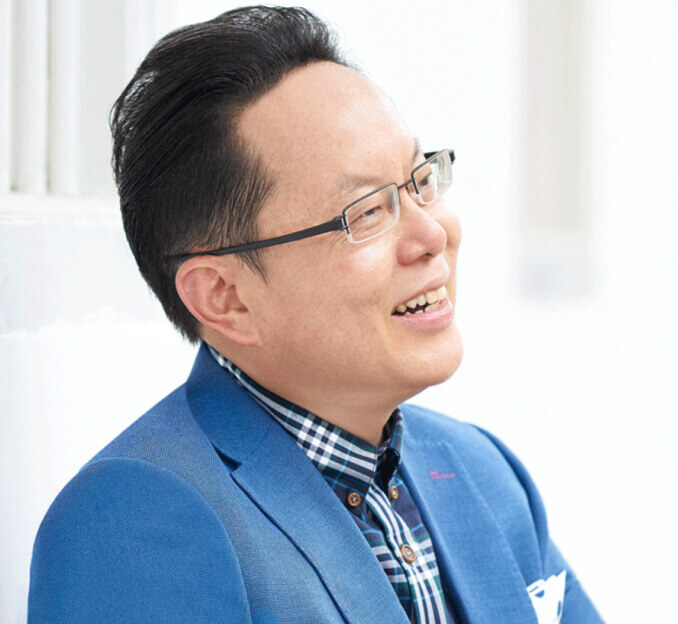
Dr Michael YC Wong
Medical Director & Senior Consultant Urologist
FAMS (Urology), FICS (USA), FRCS (Edinburgh),
M Med (Surgery), MBBS (S’pore)
Dr Michael Wong is the medical director and senior consultant urologist at the International Urology, Fertility and Gynaecology Centre, Mount Elizabeth Medical Centre. He has completed specialised training in urology, fertility and minimally invasive surgery at established centres in the USA.
Dr Wong is the only urologist from ASEAN elected to the Board of Directors of the Endourological Society and World Congress of Endourology, recognising his global leadership in endourology. He also serves as the only Asian urologist appointed Co-Chairman of the WHO’s International Consultation on Stone Diseases, where he contributes to setting global guidelines for kidney stone management.
Let us help you
Restore your urological health.
Make an appointment with Dr Michael Wong to receive a tailored, supportive and targeted care plan.
Office
Location
3 Mount Elizabeth Road, #10-09,
Mount Elizabeth Medical Centre,
Singapore 228510
Contact
Number
Email
Address
Opening
Hours