
Mon-Fri | : 9:00am - 1:00pm 2:00pm - 5:00pm |
Sat | : 9:00am - 12:00pm |
Sun/PH | : Closed |
2:00pm - 5:00pm







Why Pregnancy May Not Occur Despite Regular Ovulation
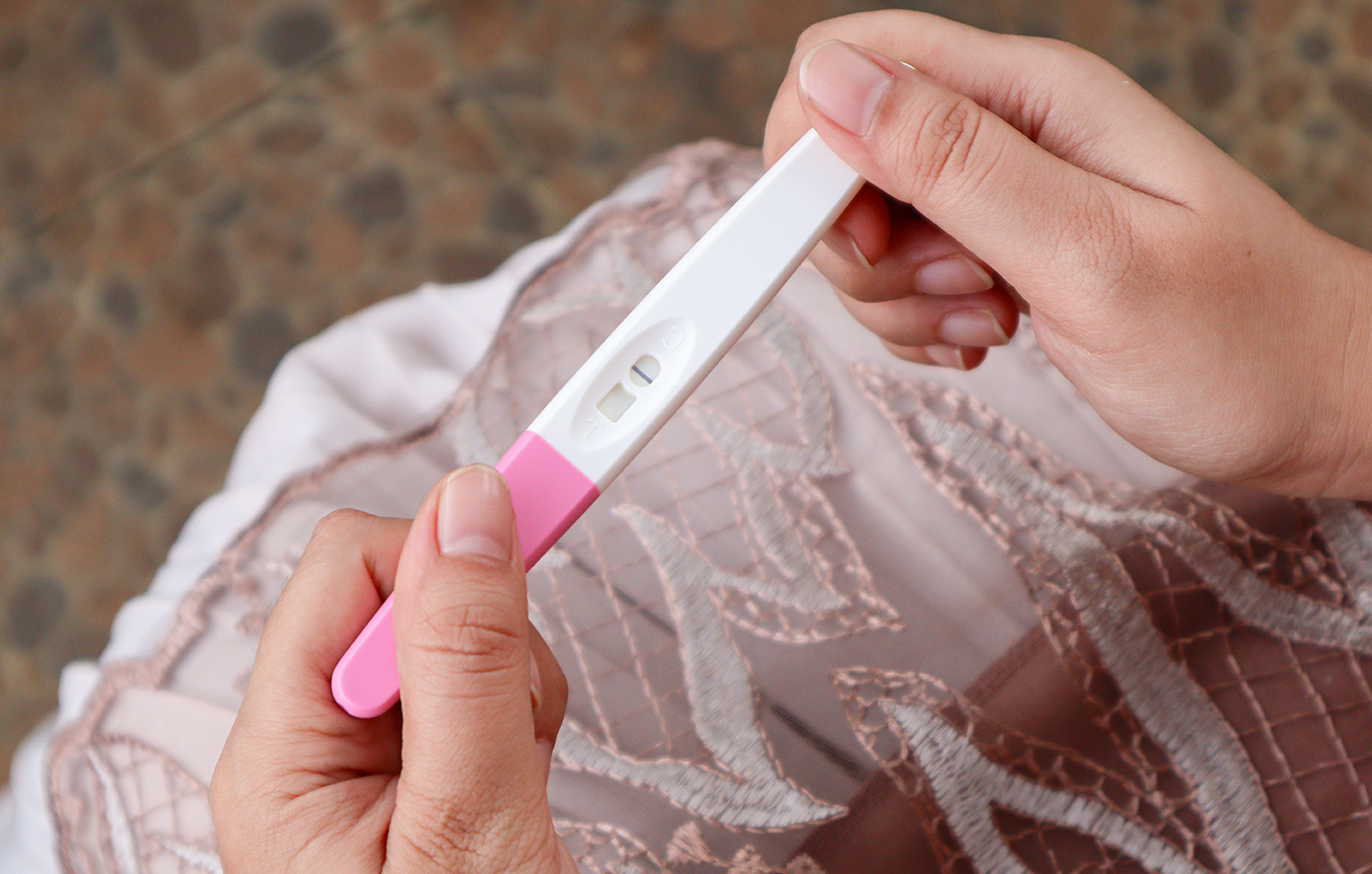

It can be confusing and frustrating when you are trying to conceive but not seeing results, especially if your menstrual cycles are regular. Many people assume that having predictable periods means everything is functioning normally, but that is not always the case.
Fertility is influenced by several factors beyond cycle regularity, including ovulation, egg quality and reproductive health. Understanding what might be affecting your chances can help you take the next steps with greater clarity and confidence.
Key Takeaways
- Regular menstrual cycles do not guarantee fertility, as ovulation, egg quality, sperm health, and reproductive conditions all affect the chances of conception.
- You can still have fertility issues even if you ovulate regularly, because successful pregnancy depends on multiple steps, including fertilisation and implantation.
- Common reasons for not conceiving include ovulation timing issues, age-related decline in egg quality, blocked fallopian tubes, uterine conditions (such as fibroids or polyps), and male factor infertility.
- Timing matters, as intercourse must occur during the fertile window (the few days before ovulation) to maximise the chances of pregnancy.
- Some fertility issues have no obvious symptoms, such as blocked tubes or subtle hormonal imbalances, and may only be identified through medical evaluation.
- See a fertility specialist if you have been trying for 12 months (or 6 months if over 35), or sooner if you have risk factors like irregular periods, recurrent miscarriage, or known conditions such as PCOS or endometriosis.
- Many underlying causes are identifiable and treatable, and early assessment can improve the chances of conception with appropriate guidance and care.
- A structured, personalised evaluation is key, as fertility challenges often involve multiple factors that require targeted management.
Can You Still Have Fertility Issues with Regular Cycles?
Yes, it is possible to have fertility issues even if your menstrual cycles are regular. Regular periods do not always mean that ovulation is occurring normally or that all aspects of fertility are functioning optimally.
Several factors can affect fertility despite regular cycles:
- Ovulation may not occur consistently or may not happen at the optimal time
- Hormonal imbalances can affect egg development and release
- Egg quality may be reduced, especially with increasing age
- Issues with sperm quality can affect fertilisation
- Problems with the uterus or fallopian tubes can prevent implantation or fertilisation
Even when ovulation takes place, successful conception depends on multiple steps, including the meeting of sperm and egg and proper implantation in the uterus. Any disruption along this process can reduce the chances of pregnancy.
What Are Some Reasons You May Not Be Getting Pregnant?
Even with regular cycles, it is still possible to experience difficulties conceiving. Several underlying factors, some of which are not immediately obvious, may be affecting your chances.
Ovulation Issues
Although cycles may appear regular, ovulation may not occur consistently or at the optimal time. Subtle hormonal imbalances can affect the release of an egg, reducing the chances of fertilisation.Egg Quality and Age
Egg quality declines with age, which can affect fertilisation and implantation. This can happen even if your menstrual cycles remain regular.Blocked Fallopian Tubes
If the fallopian tubes are blocked, sperm cannot meet the egg. This condition often has no symptoms and is usually detected through specialised tests.Uterine Conditions
Conditions such as fibroids, polyps or issues with the uterine lining can interfere with implantation, reducing the chances of a successful pregnancy.Male Factor Infertility
Male-related factors, including sperm quality and conditions affecting men’s health, such as erectile dysfunction, can impact fertilisation.Timing and Frequency of Intercourse
Pregnancy is most likely during the fertile window, which is the few days before ovulation. Missing this window can reduce the chances of conception.
When Should You See a Fertility Specialist?
You should consider seeing a fertility specialist if you have been trying to conceive for 12 months without success (if you are under 35), or 6 months (if you are 35 or older). An earlier assessment may also be helpful if you have symptoms or a medical history that could affect fertility.
You may also consider seeing a fertility specialist if:
- You have a history of irregular or painful periods
- You have experienced recurrent miscarriages
- You have known medical conditions such as endometriosis, polycystic ovary syndrome (PCOS) or previous pelvic infections
- Your partner has known or suspected fertility concerns

Moving Forward with Clarity in Your Fertility Journey
Difficulty conceiving despite regular cycles can be frustrating, but it often has underlying causes that can be identified and addressed. With the right evaluation and guidance, many of these factors can be managed effectively to improve your chances of pregnancy. Seeking timely advice from a specialist can help you move forward in your fertility journey with greater clarity and confidence.
International Urology, Fertility and Gynaecology Centre takes a holistic and evidence-based approach to evaluating and managing fertility concerns, guiding patients from initial assessment through to tailored treatment planning. Patient care is led by Dr Michael YC Wong, the only urologist from Asia to have been appointed Co-Chairman of the WHO 2nd International Consultation on Stone Diseases held in Paris. If you are trying to conceive without success or have concerns about your fertility, arrange a consultation with us to receive a comprehensive evaluation and discuss your options.
FAQs About Difficulties Conceiving Despite Regular Cycles

Dr Michael YC Wong
Medical Director & Senior Consultant Urologist
FAMS (Urology), FICS (USA), FRCS (Edinburgh),
M Med (Surgery), MBBS (S’pore)
Dr Michael Wong is the medical director and senior consultant urologist at the International Urology, Fertility and Gynaecology Centre, Mount Elizabeth Medical Centre. He has completed specialised training in urology, fertility and minimally invasive surgery at established centres in the USA.
Dr Wong is the only urologist from ASEAN elected to the Board of Directors of the Endourological Society and World Congress of Endourology, recognising his global leadership in endourology. He also serves as the only Asian urologist appointed Co-Chairman of the WHO’s International Consultation on Stone Diseases, where he contributes to setting global guidelines for kidney stone management.
Let us help you
Restore your urological health.
Make an appointment with Dr Michael Wong to receive a tailored, supportive and targeted care plan.
Office
Location
3 Mount Elizabeth Road, #10-09,
Mount Elizabeth Medical Centre,
Singapore 228510
Contact
Number
Email
Address
Opening
Hours