
Mon-Fri | : 9:00am - 1:00pm 2:00pm - 5:00pm |
Sat | : 9:00am - 12:00pm |
Sun/PH | : Closed |
2:00pm - 5:00pm







What Are the Different Ways Female Urinary Incontinence Can Happen?
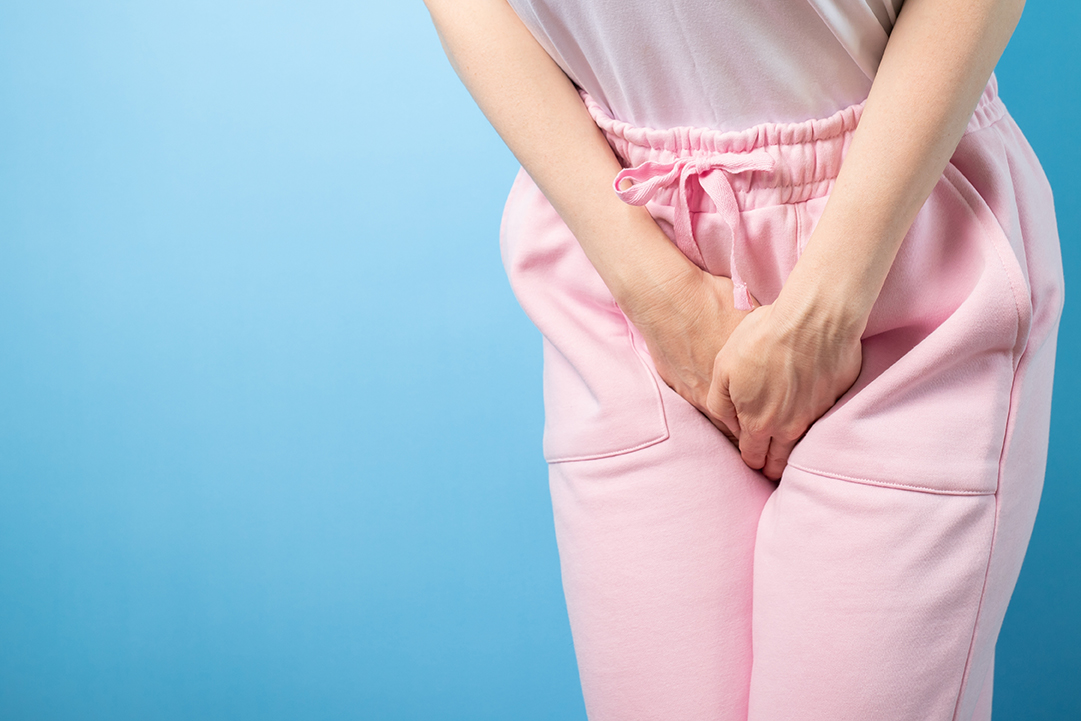

Urine leakage does not happen in the same way for every woman. You might notice a small leak when you cough, exercise or lift something heavy, while someone else may experience a sudden urge to urinate and struggle to reach the toilet in time. For others, leakage may involve frequent dribbling or a feeling that the bladder has not emptied completely.
These differences can occur because urinary control relies on several parts of the body working together, including the bladder, urethra and surrounding pelvic support. Changes associated with pregnancy, childbirth, menopause or ageing can affect these functions in different ways, which is why the circumstances surrounding leakage can be important.
Understanding when leakage happens, what tends to trigger it and whether other urinary symptoms occur alongside it can help determine the type of female urinary incontinence involved. This can then guide you in seeking assessment and treatment for the underlying problem.
Understanding Female Urinary Incontinence
Female urinary incontinence refers to involuntary urine leakage. It can result from reduced support around the urethra, involuntary bladder contractions or difficulty emptying the bladder. The circumstances surrounding the leakage may indicate the type involved, although an assessment is needed to confirm the cause.
Stress Urinary Incontinence (SUI)
Stress urinary incontinence (SUI) causes urine to leak when pressure within the abdomen increases. It may occur while coughing, lifting or exercising. This type of incontinence is often associated with reduced support around the urethra.
Pregnancy and vaginal childbirth may contribute to these changes. Menopause, previous pelvic surgery or persistent coughing can also affect urinary support.
SUI may be described according to the activities that cause leakage:
Grade 1 (mild)
Leakage occurs during activities that place greater pressure on the abdomen, such as coughing, sneezing or lifting.
Grade 2 (moderate)
Leakage occurs with less strenuous activity, such as walking quickly or rising from a seated position.
Grade 3 (severe)
Leakage may occur during minimal movement or without an obvious physical trigger.
These grades provide a general indication of severity. Assessment also considers how frequently leakage occurs and how much it interferes with everyday activities.
Urge Urinary Incontinence (UUI)
Urge urinary incontinence involves a sudden need to urinate that may be difficult to delay. Leakage can occur before the woman reaches a toilet. Some women also need to urinate more frequently or wake repeatedly during the night.
Certain situations may trigger urgency, such as arriving home or hearing running water. However, a sudden change in symptoms should be assessed as a urinary tract infection or another condition affecting bladder function may produce a similar pattern.
Overflow Incontinence
Overflow incontinence occurs when the bladder does not empty adequately. As urine remains in the bladder, frequent dribbling or small amounts of leakage may occur.
A woman may also notice a weak urinary stream or difficulty beginning urination. Some may feel like their bladder is remaining full after using the toilet.
Mixed Urinary Incontinence (MUI)
Mixed urinary incontinence combines stress and urge symptoms. A woman may experience leakage during exercise on some occasions and leakage following a sudden urge at other times.
The two components are not always equally troublesome. Identifying which symptom has the greater effect on daily life can help determine where treatment should begin.
Risk Factors for Female Urinary Incontinence
Although urinary incontinence can affect both men and women, several factors make women particularly susceptible to bladder control problems. Common risk factors include:
Pregnancy and childbirth
Pregnancy places additional pressure on the pelvic floor, while vaginal childbirth may weaken pelvic muscles or affect the nerves involved in bladder control.
Menopause
Hormonal changes during menopause may affect pelvic muscle strength and urinary function.
Obesity
Excess body weight can increase pressure on the bladder and pelvic floor, potentially contributing to involuntary urine leakage.
Hormonal changes
Hormonal fluctuations during menstruation, pregnancy and menopause may influence bladder and pelvic floor function.
Chronic constipation
Repeated straining during bowel movements may gradually weaken the pelvic floor.
Ageing
Pelvic muscles may weaken and bladder function may change with age, making urinary control more difficult for some older women.
Diagnosing Female Urinary Incontinence
Diagnosis usually begins with a consultation about when leakage occurs, how frequently it happens and how much it affects everyday life. The doctor may also review fluid intake, medication, previous childbirth or pelvic surgery and other factors that could influence bladder control.
A physical or pelvic examination may then be performed to look for factors that could be affecting bladder control and pelvic support. Depending on what your symptoms suggest, your doctor may arrange an initial urine test or ask you to collect more information about your bladder habits at home.
Further tests are not required for every woman. They may be arranged at a later stage when the cause remains unclear, symptoms are more complex or additional information is needed before deciding on treatment.
Some common diagnostic methods include:
Urinalysis
A urine sample may be collected during the initial assessment or requested afterwards. Testing can help identify a urinary tract infection, blood in the urine or other abnormalities that could be contributing to your symptoms.
Bladder Diary
Your doctor may ask you to keep a bladder diary for several days after your consultation. This involves recording when and how much you drink, how often you urinate and when you experience urgency or leakage. You can then review the diary with your doctor at a follow-up appointment to help identify patterns in your symptoms.
Pad Test
If a clearer measure of how much urine you are leaking is needed, your doctor may arrange a pad test. You will wear a pre-weighed absorbent pad for a specified period, after which it is weighed again to estimate the amount of leakage.
Urodynamic Testing
Urodynamic testing may be arranged if your doctor needs more information about how your bladder stores and releases urine. The test can assess factors such as bladder pressure, contractions and emptying and is generally used when these details could help clarify the diagnosis or guide treatment.
Cystoscopy
Cystoscopy uses a small camera to examine the inside of the bladder and urinary tract. Cystoscopy is not routinely needed to diagnose every case of urinary incontinence. It may be recommended when your symptoms or other findings suggest that the inside of the bladder or urethra needs to be examined more closely.
Treatment Options for Female Urinary Incontinence
Treatment depends on the type of incontinence, how troublesome the symptoms are and what the assessment identifies as the likely cause. Some women improve with conservative measures, while medication or a procedure may be considered when symptoms remain difficult to manage.
Treatment options include:
Lifestyle modifications
- Pelvic floor (Kegel) exercises
- Bladder training
- Weight management
- Fluid and dietary adjustments
- Managing constipation and improving bladder habits
Medications
- Anticholinergic medications to reduce bladder overactivity
- Beta-3 agonists to improve bladder storage function
- Topical estrogen for selected postmenopausal women
Pelvic floor physical therapy
- Guided strengthening and rehabilitation of pelvic floor muscles
- Individualised exercises supervised by a trained therapist
Minimally invasive procedures
- Botulinum toxin (neurotoxin) injections for overactive bladder
- Pessary devices for pelvic and bladder support
Surgical treatment
Surgery may be considered when urinary incontinence remains troublesome despite conservative treatment. The procedure recommended depends on the type and severity of incontinence.
- Mid-urethral sling surgery: Primarily used for stress urinary incontinence, this procedure places a supportive sling beneath the urethra to provide additional support and reduce leakage during activities such as coughing, lifting or exercise.
- Artificial urinary sphincter: In selected cases of more severe urinary incontinence, an artificial sphincter may be used to help control the release of urine. The implanted device uses a fluid-filled cuff around the urethra that can be opened when the patient needs to urinate.
A urologist can assess the type of incontinence and recommend the most suitable treatment plan based on individual needs and goals.
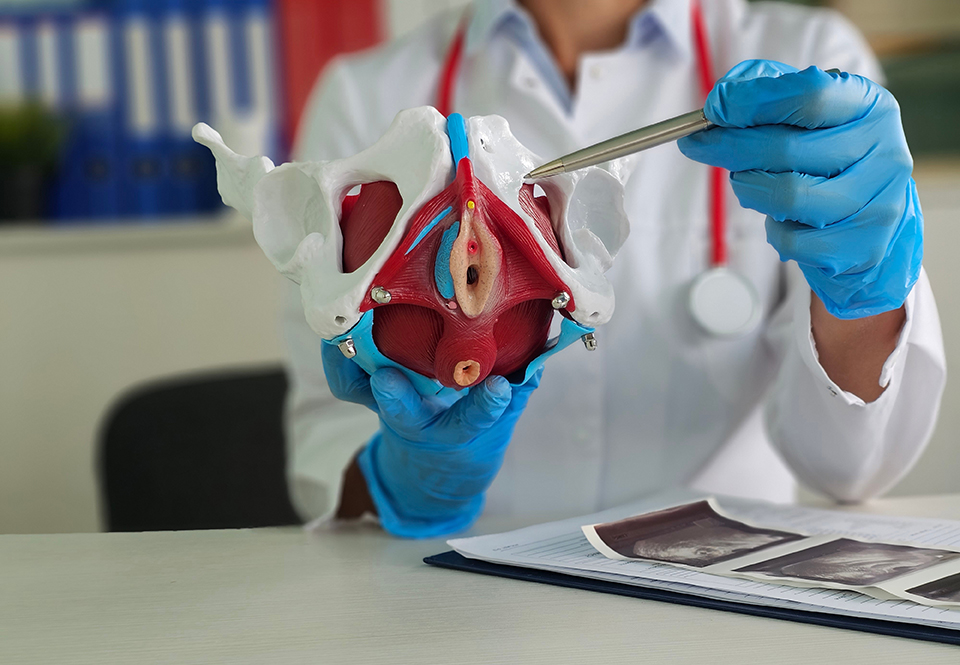
Finding the Right Approach to Managing Urinary Leakage With Dr Michael Wong
When urinary leakage begins to affect your life, you do not have to simply endure these symptoms or assume they are an inevitable part of ageing. An assessment with a urologist can help clarify the underlying cause of your condition, identify the type of incontinence involved and determine which treatment approaches could help restore your quality of life.
At the International Urology, Fertility and Gynaecology Centre , Dr Michael Wong, our senior consultant urologist, provides care for women experiencing urinary incontinence and other bladder concerns. His approach considers how your symptoms occur, their effect on your daily activities and your individual needs when discussing suitable treatment options.
If urinary leakage is affecting your exercise, sleep or everyday routine, book an appointment with Dr Wong today.
FAQs About Female Urinary Incontinence

Meet Our Doctor
Dr Michael YC Wong
Medical Director & Senior Consultant Urologist
FAMS (Urology), FICS (USA), FRCS (Edinburgh),
M Med (Surgery), MBBS (S’pore)
Dr Michael Wong is the medical director and senior consultant urologist at the International Urology, Fertility and Gynaecology Centre, Mount Elizabeth Medical Centre. He has completed specialised training in urology, fertility and minimally invasive surgery at established centres in the USA.
His contributions to urology have earned international recognition. Dr Wong has been elected President of the Endourological Society and World Congress of Endourology, becoming the only urologist from ASEAN to hold this position. He has also served as the only Asian urologist appointed Co-Chairman of the WHO’s International Consultation on Stone Diseases, where he contributes to setting global guidelines for kidney stone management. These appointments reflect his longstanding leadership in advancing urological care, education and clinical standards worldwide.
Let us help you
Restore your urological health.
Make an appointment with Dr Michael Wong to receive a tailored, supportive and targeted care plan.
Office
Location
3 Mount Elizabeth Road, #10-09,
Mount Elizabeth Medical Centre,
Singapore 228510
Contact
Number
Email
Address
Opening
Hours