Mon-Fri | : 9:00am - 1:00pm 2:00pm - 5:00pm |
Sat | : 9:00am - 12:00pm |
Sun/PH | : Closed |
2:00pm - 5:00pm


Extracorporeal Shock Wave Lithotripsy (ESWL): A Guide to Kidney Stone Treatment


Have you ever felt sudden, sharp pain in your lower back or sides that comes and goes in waves? This type of discomfort is often caused by kidney stones, a condition that affects millions of people worldwide. If you are dealing with kidney stones, you may be wondering what treatment options are available.
One commonly recommended solution is Extracorporeal Shock Wave Lithotripsy, or ESWL. This non-invasive procedure uses targeted shock waves to break kidney stones into smaller pieces, making them easier to pass. Understanding how ESWL works and how to prepare can help you approach treatment with confidence and clarity.
Understanding ESWL
ESWL uses targeted shock waves to fragment kidney stones, allowing them to pass through your urinary tract more easily. Unlike surgery, the procedure does not require any incisions, which typically means less discomfort, a lower risk of complications, and a shorter recovery time.
This treatment is usually recommended for stones that are small to medium in size and located in the kidney or upper ureter. Your doctor will assess your situation to determine if ESWL is the most suitable approach.
Preparing for ESWL
Before undergoing ESWL, taking the right steps can help make the procedure safer, more comfortable and more effective. Here are some ways to prepare to ensure the best possible outcome.
Health Assessment and Imaging
Before the procedure, your doctor may request a CT scan, ultrasound, or X-ray to determine the exact size and position of the kidney stones. Blood and urine tests may also be performed to check kidney function and rule out infections.
Medication and Lifestyle Considerations
Certain medications, such as blood thinners, may need to be paused before ESWL to reduce the risk of bleeding. Your doctor may also advise staying well hydrated and avoiding food for a few hours before the procedure.
What to Expect During ESWL
ESWL is usually performed on an outpatient basis, so most patients can return home the same day. The procedure generally takes 30 to 60 minutes, and knowing what to expect can help you feel more at ease and prepared.
Sedation and Comfort
You may receive light sedation or pain relief medication to keep you comfortable during the procedure. Some patients feel only mild discomfort as the shock waves pass through the body.
Procedure Steps
During ESWL, you will lie on a specialised table while imaging equipment guides the shock waves to the precise location of the stones. The shock waves pass through the body and break the stones into smaller fragments. You may hear a tapping or clicking sound as the waves are delivered, which is normal.
Immediate Post-Procedure
Once the treatment is complete, you will be monitored for a short period to ensure there are no immediate complications. Most patients can return home a few hours after the procedure, accompanied by a family member or friend.
After ESWL: Recovery and Follow-Up
Once ESWL is complete, the focus shifts to recovery and monitoring the passage of stone fragments. Knowing what to expect in the days and weeks ahead can help you manage discomfort, support healing and stay informed throughout the process.
Physical Recovery
It is common to experience mild discomfort, bruising, or blood in the urine in the days following ESWL. Drinking plenty of water helps flush the stone fragments from your system and reduces the risk of blockage or infection. Light activity is usually encouraged, but strenuous exercise should be avoided for several days.
Monitoring Stone Passage
Your doctor will schedule follow-up imaging or urine tests to track the passage of stone fragments. Passing small fragments can cause cramping or mild pain, which can usually be managed with over-the-counter pain medication.
When to Seek Medical Advice
Contact your doctor promptly if you experience severe pain, fever, persistent nausea, or difficulty urinating. While complications are uncommon, early assessment ensures timely care and peace of mind.
Lifestyle Measures to Reduce Recurrence
Once ESWL is complete and you are on the path to recovery, making simple lifestyle adjustments can help reduce the risk of future kidney stones. Drinking plenty of water, following a balanced diet and moderating salt or oxalate intake are key steps. Your doctor may also recommend specific supplements or medications to support long-term kidney health. By adopting these habits, you can take an active role in preventing recurrence and maintaining overall urinary wellness.
Kidney Stone Care with Dr Michael Wong
Managing kidney stones can feel overwhelming, but the right guidance can make all the difference. Dr Michael Wong, a senior consultant urologist internationally recognised for his surgical expertise and academic contribution to urology, provides personalised care at every stage of treatment. From initial evaluation and imaging to post-procedure follow-up, each step is carefully designed to prioritise your safety, comfort, and long-term kidney health.
If you are struggling with kidney stones or considering ESWL, schedule a consultation with Dr Michael Wong today to receive a customised plan that supports your recovery and well-being.
Meet Our Kidney Stone Specialist in Singapore
Dr Michael Wong is a senior consultant urologist with extensive experience in treating kidney stones and other urinary tract conditions. He specialises in minimally invasive procedures, including Extracorporeal Shock Wave Lithotripsy (ESWL) and ureteroscopy, as well as personalised strategies for preventing stone recurrence. His approach helps patients achieve lasting relief while supporting long-term urinary health.
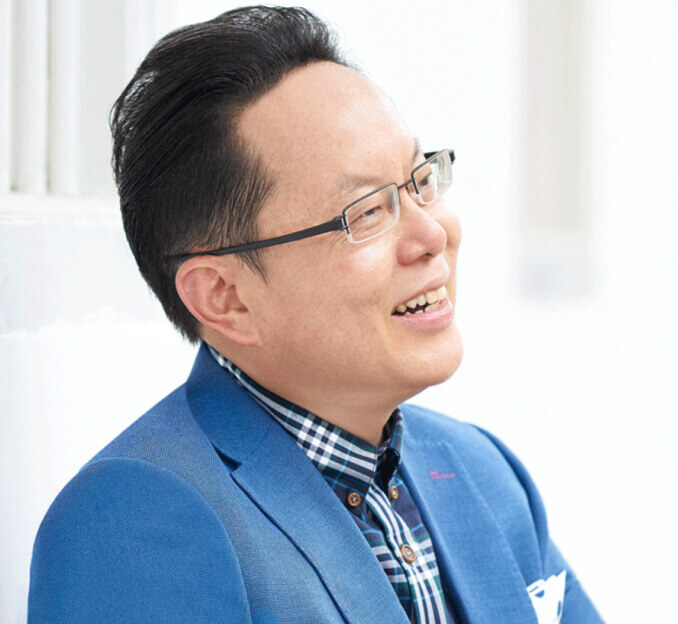
Dr Michael Wong
Medical Director & Senior Consultant Urologist
FAMS (Urology), FICS (USA), FRCS (Edinburgh),
M Med (Surgery), MBBS (S’pore)
Dr Michael Wong is the medical director and senior consultant urologist at the International Urology, Fertility and Gynaecology Centre. With advanced training in urology, fertility and minimally invasive surgery from leading centres in the USA, he is internationally recognised for his expertise. He is internationally recognised for his expertise and has co-founded Singapore’s first joint urology–gynaecology clinic for couples, where both partners are evaluated together. His practice integrates evidence-based approaches to male and female infertility care.
Let us help you
Restore your urological health.
Make an appointment with Dr Michael Wong to receive a tailored, supportive and targeted care plan.
Office
Location
3 Mount Elizabeth Road, #10-09,
Mount Elizabeth Medical Centre,
Singapore 228510
Contact
Number
| Tel | |
| Tel | |
| Fax | : (65) 6838 1216 |
| 24-hour answering service |
Email
Address
Opening
Hours
Mon-Fri | : 9:00am - 1:00pm |
Sat | : 9:00am - 12:00pm |
Sun/PH | : Closed |
Blog