
Mon-Fri | : 9:00am - 1:00pm 2:00pm - 5:00pm |
Sat | : 9:00am - 12:00pm |
Sun/PH | : Closed |
2:00pm - 5:00pm


Egg Retrieval Process: What to Expect Before, During, and After Treatment
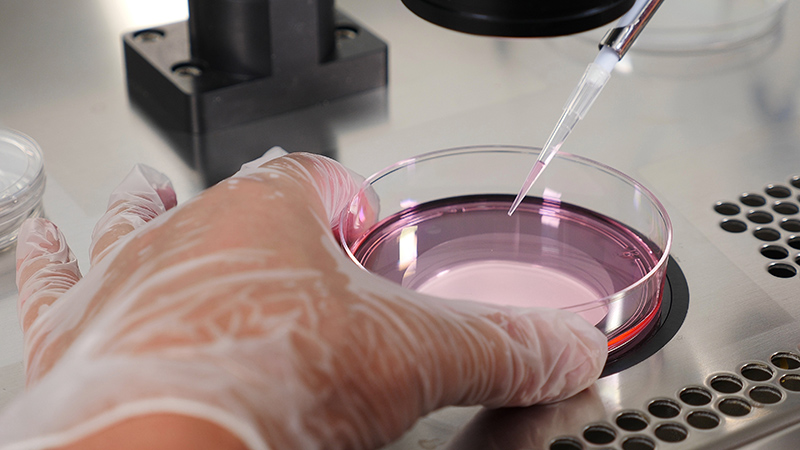

Have you been exploring options to start or grow your family? If you are preparing for IVF, it is completely natural to feel a mix of hope and uncertainty. Alongside the excitement, you may have practical questions about what the procedure involves, how long it takes and what happens after your eggs are collected.
Having a clear picture of each phase can ease much of that anxiety. Although every fertility journey is unique, egg retrieval typically follows a carefully planned sequence. Knowing what lies ahead allows you to approach treatment with clarity, confidence and realistic expectations.
What Is IVF Egg Retrieval?
Egg retrieval is a key step in the in vitro fertilisation process. It involves collecting mature eggs from the ovaries after hormonal stimulation, so they can be fertilised with sperm in a laboratory. The resulting embryo is then transferred into the uterus or frozen for future use. This procedure is not only performed for couples undergoing IVF to conceive. It is also part of fertility preservation. Individuals who wish to delay parenthood, are preparing for medical treatments such as chemotherapy or are considering other personal reasons for preserving fertility may undergo egg retrieval to store their eggs for later use.
Preparing for Egg Retrieval
Preparing for egg retrieval is an important part of your IVF journey. At your initial consultation, your doctor will review your medical history, discuss your expectations and design a personalised treatment plan tailored to you. With the right guidance and preparation, you can approach the procedure feeling informed and supported.
Physical Preparation
One of the first steps involves ovarian stimulation. In a natural cycle, a woman typically releases one egg per month. IVF requires multiple eggs, so daily injections of follicle-stimulating hormones (FSH) encourage the ovaries to produce several mature eggs.
Regular blood tests and ultrasounds track follicle growth and hormone levels. These check-ins ensure that the timing of egg retrieval is precise. When follicles reach the ideal size, a human Chorionic Gonadotropin (hCG) injection triggers the final stage of egg maturation, with retrieval scheduled about 34–36 hours later.
Additional Health Checks
Before starting ovarian stimulation, it's important to complete a series of health checks to ensure your body is ready for IVF and to identify any potential issues early.
Uterine Examination
: Ensures the uterus is structurally ready for embryo implantation.Semen Analysis
: Evaluates sperm quality to identify any issues early on.Blood Tests for Infections
: Screening for STIs and other conditions helps protect reproductive health and prevent complications during treatment.Practice Embryo Transfer
: A trial run helps ensure the actual procedure is smooth and accurate.
Emotional Preparation
Caring for your emotional well-being is just as important as preparing your body. Keeping an open and honest dialogue with your partner helps both of you feel supported throughout the journey. Incorporating stress-relieving activities such as yoga, meditation, deep breathing or light exercise can also help balance hormones, ease anxiety and give you a greater sense of control.
Additionally, simple self-care practices like getting enough rest, eating nourishing meals and making time for enjoyable activities can make a noticeable difference in how you cope with the IVF process and approach the procedure with confidence.
What to Expect During Egg Retrieval
The egg retrieval procedure itself is usually a short, minimally invasive process performed under sedation or general anaesthesia. This ensures that you remain comfortable and pain-free throughout.
Procedure Duration
: The entire retrieval typically takes 20–30 minutes.How It Works
: Using a thin needle guided by a transvaginal ultrasound, the doctor gently collects fluid from each follicle containing the eggs.Laboratory Handling
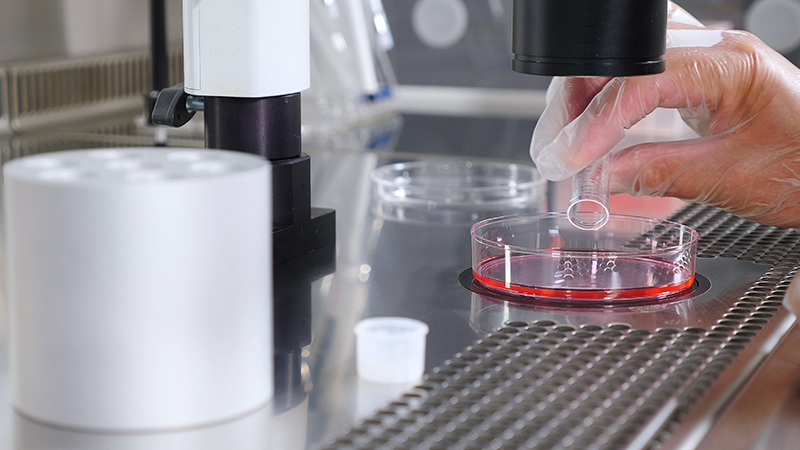
: Immediately after retrieval, an embryologist identifies and prepares the eggs for fertilisation with sperm.
Because sedation is used, most patients feel drowsy or relaxed rather than uncomfortable. After the procedure, you will rest in a recovery area until the anaesthetic wears off. It is recommended to have someone accompany you home, as you may feel lightheaded or tired for several hours.
After Egg Retrieval: Recovery and Next Steps
Once the egg retrieval is complete, the focus shifts to recovery and the next steps in your IVF journey. Understanding what to expect physically and emotionally can help you manage discomfort, support fertilisation and feel more confident as you move forward.
Physical Recovery
Mild cramping, bloating, or spotting is common in the hours and days following retrieval. These sensations are usually similar to period discomfort and tend to improve within a day or two. Over-the-counter pain relief is often sufficient.
Most patients can resume light daily activities within 24 hours. However, it is best to avoid heavy lifting, strenuous exercise or high-impact activities for several days to allow the body to recover. Drinking plenty of fluids and resting as needed can also support recovery.
Emotional Recovery
Hormonal fluctuations combined with anticipation of fertilisation results can affect mood. Feeling tearful, anxious, or fatigued is normal. Support from your partner, friends, or a counsellor can help manage stress during this period. Practising mindfulness, journaling your feelings or engaging in relaxing hobbies can also provide comfort.
Fertilisation and Laboratory Monitoring
Once the eggs are retrieved, they are fertilised in the laboratory using sperm from your partner or a donor. Embryologists carefully monitor fertilisation and embryo development over several days. You will be informed about how many eggs were collected, how many fertilised successfully and which embryos are suitable for transfer or freezing.
When to Seek Medical Advice
Although complications are rare, contact your doctor promptly if you experience severe abdominal pain, persistent swelling, or shortness of breath. These could indicate ovarian hyperstimulation syndrome or other issues that require medical attention.
A Personalised Fertility Plan with Dr Michael Wong
Egg retrieval is just one step in the broader IVF journey. Working with a specialist can make a difference in both outcomes and overall experience. Dr Michael Wong, a senior consultant urologist who is internationally recognised for his surgical expertise and academic contribution to the field of urology, leads a team that provides personalised care at every stage of IVF. From pre-treatment evaluation to post-retrieval follow up, each step is structured to prioritise safety, comfort and success.
Meet Our IVF Specialist in Singapore
Dr Michael Wong is a senior consultant urologist with extensive experience in reproductive medicine and fertility care. He specialises in helping individuals and couples navigate complex fertility journeys, including IVF, egg retrieval and fertility preservation. His approach combines technical skill with a patient-centred philosophy, ensuring that each treatment plan is tailored to the unique needs and goals of his patients.
If you are considering IVF or preparing for egg retrieval, schedule a consultation to discuss your fertility goals and receive a tailored plan designed to support your journey to parenthood.

Dr Michael Wong
Medical Director & Senior Consultant Urologist
FAMS (Urology), FICS (USA), FRCS (Edinburgh),
M Med (Surgery), MBBS (S’pore)
Dr Michael Wong is the medical director and senior consultant urologist at the International Urology, Fertility and Gynaecology Centre. With advanced training in urology, fertility and minimally invasive surgery from leading centres in the USA, he is internationally recognised for his expertise. He is internationally recognised for his expertise and has co-founded Singapore’s first joint urology–gynaecology clinic for couples, where both partners are evaluated together. His practice integrates evidence-based approaches to male and female infertility care.
Let us help you
Restore your urological health.
Make an appointment with Dr Michael Wong to receive a tailored, supportive and targeted care plan.
Office
Location
3 Mount Elizabeth Road, #10-09,
Mount Elizabeth Medical Centre,
Singapore 228510
Contact
Number
| Tel | |
| Tel | |
| Fax | : (65) 6838 1216 |
| 24-hour answering service |
Email
Address
Opening
Hours
Mon-Fri | : 9:00am - 1:00pm |
Sat | : 9:00am - 12:00pm |
Sun/PH | : Closed |
Blog