
Senin-Jumat | : 9:00am - 1:00pm 2:00pm - 5:00pm |
Hari sabtu | : 9:00am - 12:00pm |
Minggu/ Hari Libur | : Tutup |
2:00pm - 5:00pm






Batu Ginjal
Batu Ginjal
Batu ginjal adalah masalah kesehatan yang umum dan memengaruhi sekitar 2-3% populasi secara global. Ukurannya bervariasi – mulai dari sekecil butiran pasir hingga sebesar bola golf. Sementara batu ginjal kecil dapat keluar tanpa perawatan medis, batu ginjal yang lebih besar mungkin memerlukan operasi untuk mencegah terjadinya penyumbatan aliran urine.

Ditinjau secara medis oleh Dr. Michael Wong, Direktur Medis & Konsultan Senior Urologi
FAMS (Urologi), FICS (AS), FRCS (Edinburgh), M Med (Bedah), MBBS (Singapore)
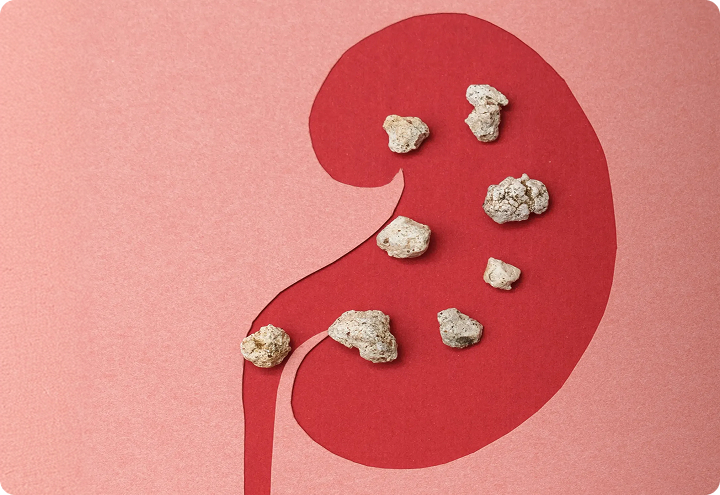
Apa itu Batu Ginjal?
Batu ginjal lebih sering terjadi pada pria yang lebih tua, namun laporan menunjukkan wanita yang mengalami kondisi ini semakin meningkat saat ini. Memiliki kondisi ini bisa menjadi siksaan yang menyakitkan dan tidak nyaman. Untungnya, ada beberapa pilihan pengobatan yang tersedia.
Di klinik ginjal kami, kami berspesialisasi dalam diagnosa dan pengobatan batu ginjal; kami juga memberikan berbagai layanan pengobatan untuk gangguan dan penyakit yang berkaitan dengan sistem urologi.
Apa Tanda & Gejala Batu Ginjal?
Ukuran batu ginjal bervariasi. Beberapa sangat kecil sehingga tidak menimbulkan gejala apa pun dan dapat dikeluarkan secara alami dari tubuh melalui urin.
Namun ada yang lebih besar dan dapat menyebabkan penyumbatan di ureter, mengganggu aliran normal urin. Dalam kasus seperti itu, biasanya bergejala:

Nyeri dan ketidaknyamanan atau sensasi terbakar saat buang air kecil
Nyeri di bagian samping, punggung, perut bagian bawah, dan selangkangan.
Buang air kecil lebih sering dari biasanya
Urin berwarna gelap atau keruh yang tidak normal
Urin berbau busuk
When to SeekUrgent Medical Attention for Kidney Stones
While some kidney stones can pass without treatment, larger stones or those causing an obstruction may lead to complications if left untreated. These can include persistent urinary obstruction, urinary tract infections, kidney damage or, in severe cases, reduced kidney function. Prompt medical assessment helps relieve symptoms and reduces the risk of these complications.
Seek urgent medical attention if you experience any of the following:
Severe pain that does not improve or prevents you from resting
Inability to urinate
Blood in the urine
Nausea and vomiting that prevent you from keeping fluids down
Fever or chills, which may indicate a urinary tract infection requiring urgent treatment
Jika Anda memiliki gejala batu ginjal, konsultasikan dengan ahli urologi kami untuk bantuan jangka panjang dari batu ginjal hari ini.
Apa Penyebab Batu Ginjal?
Kidney stones develop when minerals and salts in the urine become concentrated and crystallise. This can occur due to a combination of dietary habits, dehydration, certain medical conditions, urinary tract abnormalities and inherited disorders. Common contributing factors include:
Dietary Factors
Metabolic Disorders
Kidney Disorders
Hereditary Diseases
Urinary Tract Infection
Enlarged Prostate
Neurogenic Bladder (Bladder Emptying Problems)
Apa Saja Jenis-Jenis Batu Ginjal?
Kalsium oksalat
Ini adalah jenis batu ginjal yang paling umum yang berkembang ketika kalsium bercampur dengan oksalat tingkat tinggi (enzim kimia alami yang ditemukan dalam makanan) di dalam urin. Ini terbentuk karena asupan kalsium dan cairan yang tidak mencukupi.
Asam urat
Ini disebabkan oleh konsumsi protein tingkat tinggi (daging dan kerang) yang menghasilkan senyawa kimia yang dikenal sebagai purin di dalam tubuh, yang menghasilkan monosodium dalam urat. Batu ginjal jenis ini dapat terbentuk pada orang yang menderita diabetes dan sindrom metabolik, serta pada mereka yang memiliki faktor genetik yang membuat mereka berisiko lebih tinggi mengalami kondisi ini.
Struvite
Ini adalah jenis batu ginjal yang jarang ditemukan, yang disebabkan oleh bakteri dari infeksi saluran kemih (ISK), yang tumbuh dan berkembang dengan cepat dan memengaruhi saluran kemih, terkadang tanpa gejala dan tanpa peringatan.
Cystine
Ini adalah jenis batu ginjal yang langka karena faktor keturunan yang disebut cystinuria, yang menyebabkan bahan kimia yang disebut cystine bocor dalam urin.
Take the first step towards lasting relief by scheduling a consultation with our urologist.
Early diagnosis allows timely treatment, helping to relieve symptoms, prevent complications and guide the most appropriate kidney stone treatment for your condition.
How Are Kidney Stones Diagnosed?
Pada awal gejala, konsultasi dengan dokter ahli ginjal harus dilakukan untuk memastikan diagnosis dan pengobatan yang tepat. Selain memeriksa riwayat medis dan keluarga pasien, dokter dapat melakukan tes, yang meliputi:
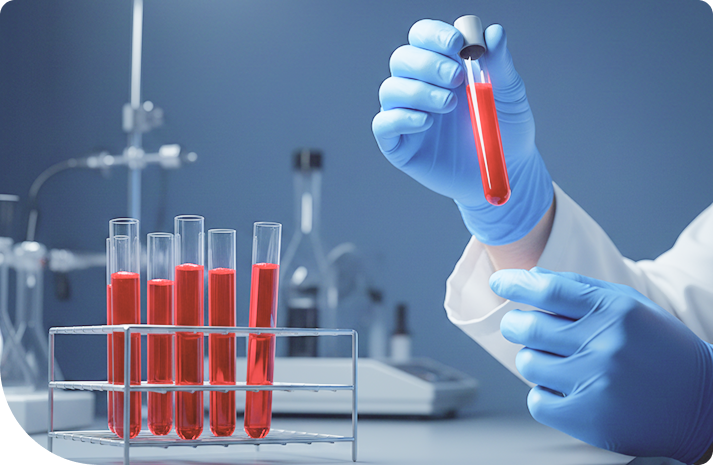
Tes darah
Ini menentukan apakah ginjal Anda berfungsi dengan baik dan apakah ada kadar kalsium atau asam urat yang tinggi dalam darah Anda, yang mengakibatkan batu ginjal.
Tes Urin
Tes ini membutuhkan pengumpulan sampel urin di klinik perawatan batu ginjal selama 24 jam untuk menunjukkan apakah urin Anda terinfeksi, mengandung darah atau terdapat mineral yang dapat membentuk batu ginjal.
Pemindaian
X-ray, CT scan atau MRI dilakukan untuk menentukan lokasi, ukuran dan jumlah batu ginjal yang ada. Hasilnya dapat membantu menentukan pengobatan batu ginjal yang paling tepat, yang dapat berkisar dari pengobatan hingga operasi batu ginjal.
Take the first step towards lasting relief by scheduling a consultation with our urologist.
Early diagnosis allows timely treatment, helping to relieve symptoms, prevent complications and guide the most appropriate kidney stone treatment for your condition.
What Kidney Stone Treatments Are Available at Our Clinic?
Kidney stones treatment will depend on the type of stone and the severity of the symptoms. If you have detected them early while they are still small, you can simply drink more water, more regularly. This is usually enough to get rid of them naturally.
However, if the stones are already too large to pass naturally, its treatment will then involve breaking them down into smaller pieces or removing them via kidney stone surgery by your kidney specialist.
At our clinic, we offer a range of kidney stone treatments tailored to the size, location and type of stone, as well as the severity of your symptoms.
Extracorporeal Shock Wave Lithotripsy
Retrograde Intrarenal Surgery
Percutaneous Nephrolithotomy
Laparoscopy
Laser Lithotripsy
How to Prevent Kidney Stones Formation
While not all kidney stones can be prevented, adopting healthy lifestyle habits may help reduce your risk of developing new stones or experiencing a recurrence. Your urologist may also recommend preventive measures based on the type of kidney stone you have.
To help lower your risk:
Don't LetKidney Stones Affect Your Quality of Life
Kidney stones can range from causing mild discomfort to severe pain and urinary obstruction. Seeking prompt medical attention can help relieve symptoms, reduce the risk of complications and ensure you receive the most appropriate treatment based on the size, location and type of stone.
Here at the International Urology, Fertility, and Gynaecology Centre, we offer comprehensive evaluation and a full range of minimally invasive and surgical treatment options to relieve symptoms, preserve kidney function and reduce the risk of recurrence. Dr Michael YC Wong, our senior consultant urologist, has extensive experience diagnosing and treating kidney stones, providing personalised care tailored to each patient's condition and treatment goals.
Take the first step towards lasting relief by booking a consultation with Dr Michael Wong today.
Frequently Asked Questions About Kidney Stones
How long does kidney stone pain last?
What is the best way to relieve kidney stone pain?
Can kidney stones go away without treatment?
How long does it take to recover from kidney stone treatment?
How painful is the treatment for kidney stones?
Are there any side effects to kidney stone treatment?

Meet Our Kidney Stone Specialist in Singapore
Dr Michael YC Wong
Dr Michael YC Wong is a senior consultant urologist with extensive experience in the diagnosis and treatment of kidney stones. He provides comprehensive care for patients with both simple and complex conditions, tailoring treatment plans according to the size, location and type of kidney stone, as well as each patient's overall health and treatment goals.
Dr Wong is committed to achieving effective treatment while minimising recovery time. He also works closely with patients to reduce the risk of future kidney stone recurrence through appropriate follow-up care and preventive strategies.
Ijinkan kami membantu Anda
Pulihkan kesehatan urologis Anda.
Buat janji dengan Dr Michael Wong untuk menerima rencana perawatan yang disesuaikan, suportif, dan ditargetkan.
Lokasi Kantor
3 Mount Elizabeth Road, #10-09,
Mount Elizabeth Medical Centre,
Singapore 228510
Nomor Kontak
Alamat Email
Buka
Senin-Jumat
9:00am - 1:00pm
2:00pm - 5:00pm
Hari sabtu
9:00am - 12:00pm
Minggu/ Hari Libur
Tutup