
Senin-Jumat | : 9:00am - 1:00pm 2:00pm - 5:00pm |
Hari sabtu | : 9:00am - 12:00pm |
Minggu/ Hari Libur | : Tutup |
2:00pm - 5:00pm






Kanker ginjal
Kanker ginjal
Kanker ginjal menyumbang sekitar 1-2% dari kasus kanker di Singapura. Seperti sebagian besar jenis kanker, kanker ginjal dapat diobati jika terdeteksi dan ditangani pada tahap awal.

Ditinjau secara medis oleh Dr. Michael Wong, Direktur Medis & Konsultan Senior Urologi
FAMS (Urologi), FICS (AS), FRCS (Edinburgh), M Med (Bedah), MBBS (Singapore)
Apa itu Kanker Ginjal?
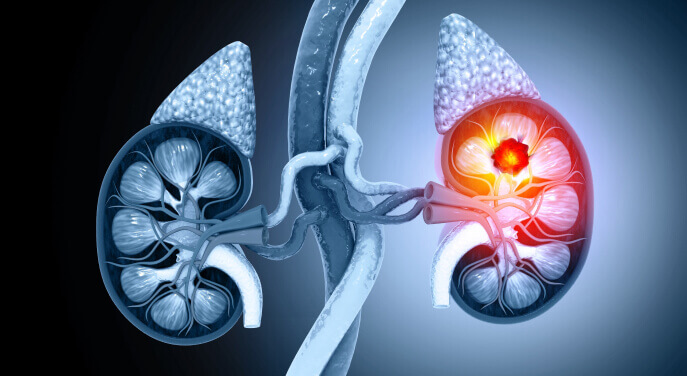
Kanker ginjal adalah jenis kanker yang berasal dari ginjal, organ berbentuk kacang yang membuang limbah dari tubuh melalui urin dan membantu mengontrol tekanan darah. Kondisi tersebut diakibatkan oleh pertumbuhan sel abnormal di jaringan ginjal, menyebabkan tumor berkembang. Di Singapura, kanker ginjal adalah salah satu dari 10 kanker paling umum. Secara khusus, pria berusia antara 60 dan 70 tahun memiliki risiko lebih tinggi terkena kanker ginjal.
Apa Saja
Jenis Kanker Ginjal?
Kanker ginjal dapat diklasifikasikan menjadi beberapa jenis, antara lain:
Karsinoma sel ginjal
Ini adalah jenis kanker ginjal yang paling umum yang mencakup sekitar 85–90% dari semua diagnosis.
Karsinoma urothelial
Dikenal sebagai karsinoma sel transisional, ini terjadi di pelvis ginjal, area berbentuk corong tempat urin dikumpulkan sebelum disalurkan ke kandung kemih.
Tumor Wilms
Disebut juga nefroblastoma, tumor Wilms adalah jenis kanker ginjal yang umumnya berkembang pada anak-anak. Kondisi ini biasanya menyerang anak-anak berusia antara 3 dan 4 tahun.
Sarkoma ginjal
Ini adalah jenis kanker ginjal langka yang ditandai dengan perkembangan sel kanker di pembuluh darah atau jaringan ikat ginjal.

Apa tanda-tanda dan
gejalanya Kanker Ginjal?
Kanker ginjal biasanya tidak menunjukkan gejala apa pun selama tahap awal. Pada tahap selanjutnya, tanda dan gejala penyakit ini mungkin termasuk:

Darah dalam urin
Kelelahan
Nyeri punggung bawah atau samping dan rasa tidak nyaman
Massa atau benjolan di perut
Penurunan berat badan yang tidak dapat dijelaskan
Demam
Early detection can lead to better treatment options and outcomes.
If you are experiencing potential signs and symptoms of kidney cancer, schedule a consultation with our urologist today.

What Increases the Risk of Kidney Cancer?
The exact cause of most kidney cancers is unknown. However, several medically recognised factors may increase a person’s likelihood of developing the disease. These include:
Smoking
High blood pressure
Family history of kidney cancer
Long-term dialysis for chronic kidney disease
Certain genetic conditions
Obesity
Long-term use of certain medications
Can Kidney Cancer Be Prevented?
Kidney cancer cannot always be prevented because some risk factors, including age, family history and inherited conditions, cannot be changed. However, several measures may help reduce the likelihood of developing the disease:
Avoid smoking or seek support to stop
Maintain a healthy weight through a balanced diet and regular physical activity
Monitor and manage high blood pressure
Follow workplace safety measures when handling potentially harmful chemicals
Attend appropriate medical reviews if you have chronic kidney disease, receive long-term dialysis or have an inherited risk of kidney cancer
These measures cannot guarantee prevention, but they can reduce certain modifiable risks and support overall kidney health.
How Is Kidney Cancer Detected?
In order to diagnose kidney cancer, a kidney cancer clinic performs a number of tests and procedures, including the following:
Urinalysis
Urinalysis checks a urine sample for blood, proteins and other abnormalities. The results may indicate a kidney or urinary-tract problem that requires further assessment, but they cannot confirm kidney cancer on their own.
Blood Tests
Blood tests may be used to assess kidney function, blood-cell counts and general health. Abnormal results can provide supporting information and help determine whether certain scans or treatments are suitable, but blood tests alone cannot diagnose kidney cancer.
Ultrasound or Computed Tomography (CT) scan
An imaging test can provide detailed images of the kidneys and determine the extent and characteristics of a kidney tumour.
MRI Scan
An MRI scan produces detailed images that can help assess a kidney tumour and determine whether it has affected nearby tissues or major blood vessels. It may be used when a CT scan is inconclusive or when CT contrast is unsuitable.
Kidney biopsy
A kidney biopsy may be recommended when imaging alone cannot establish the nature of a tumour or when the result could affect treatment planning. A thin needle is guided into the mass to collect tissue for laboratory examination.
Cystoscopy
Cystoscopy may be performed when the doctor needs to investigate blood in the urine or exclude a tumour in the bladder or lower urinary tract. A thin instrument with a camera is passed through the urethra to examine the inside of the bladder. It is not routinely used to diagnose renal cell carcinoma.
What Are The Stages of Kidney Cancer?
Renal cell carcinoma, the most common form of kidney cancer, is classified into four main stages according to the tumour’s size and whether it has spread beyond the kidney. Staging helps the doctor assess the extent of the disease and determine which treatments may be appropriate.
Stage 1
The tumour measures 7 cm or less and remains confined to the kidney. It has not spread to the lymph nodes or other parts of the body.
Stage 2
The tumour is larger than 7 cm but remains confined to the kidney. There is no spread to the lymph nodes or distant organs.
Stage 3
The cancer has spread into major blood vessels or tissues surrounding the kidney, or to nearby lymph nodes. It has not spread to distant parts of the body.
Stage 4
The cancer has grown beyond the tissues surrounding the kidney or spread to distant parts of the body, such as the lungs, bones, liver or brain.
What Happens if Kidney Cancer Is Left Untreated?
Without treatment or appropriate medical monitoring, kidney cancer may continue growing and become more difficult to manage. Possible complications include:
Invasion of surrounding tissues or major blood vessels
Increasing symptoms such as bleeding, pain, anaemia and weight loss
Spread to lymph nodes or distant organs
The need for more complex treatment if surgery alone is no longer sufficient
Some small kidney tumours can be managed through active surveillance, but this involves scheduled scans and specialist review rather than leaving the condition medically unattended.
Apa Pengobatan
untuk Kanker Ginjal?
Berbagai macam pilihan pengobatan kanker ginjal tersedia tergantung pada jenis kanker dan luasnya tumor. Ini termasuk:
Pembedahan
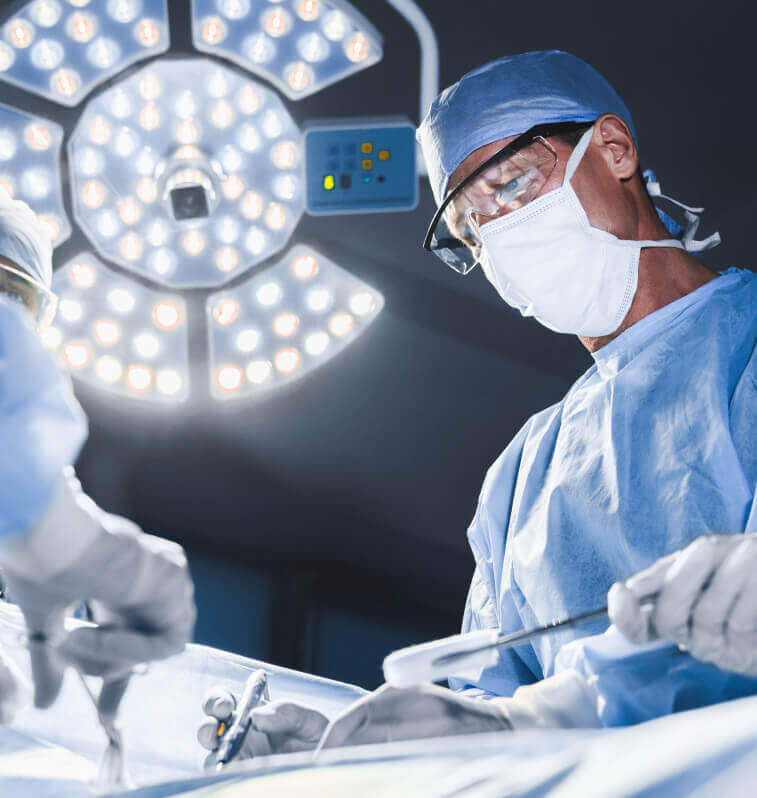
Pembedahan pada awalnya dimaksudkan untuk mengangkat tumor dengan tetap mempertahankan fungsi ginjal. Pada stadium lanjut, mungkin perlu mengangkat sebagian atau seluruh ginjal. Pada akhirnya, ada berbagai jenis operasi kanker ginjal, tergantung pada luasnya kanker.
Ablasi frekuensi radio
Metode Ini menggunakan arus listrik untuk menghancurkan sel-sel kanker melalui penyisipan jarum melalui kulit dan ke dalam tumor ginjal.
Pengawasan aktif
Dalam kasus ringan, ini hanya melibatkan pencitraan rutin untuk memantau perkembangan tumor ginjal.
Kemoterapi
Ini menggunakan obat anti kanker yang diberikan melalui mulut atau vena (IV).
Imunoterapi
Pengobatan tertentu diberikan untuk meningkatkan sistem kekebalan guna membantu tubuh mengidentifikasi dan melawan sel kanker.
Are There Any
Risks to Undergoing Kidney Surgery?
As with any surgical procedure, kidney surgery carries a risk of complications. The specific risks vary according to the type and complexity of the operation as well as the patient’s overall health. Possible complications include:
Bleeding during or after surgery
Blood clots in the legs or lungs
Injury to nearby organs, tissues or blood vessels
Urine leakage following partial nephrectomy
Infection at the surgical site or elsewhere
Reactions to anaesthesia
Reduced kidney function
An experienced urologist and surgical care team will take steps to minimise these risks throughout the treatment journey. These may include careful preoperative assessment and surgical planning, measures to control bleeding, antibiotics when appropriate and compression devices or medication to prevent blood clots.
After the procedure, the care team will closely monitor kidney function, urine output and the surgical wound. This allows potential complications to be identified and managed promptly. Although no surgery is entirely risk-free, these precautions support a safer operation and recovery.
Why Choose Our Kidney Cancer Clinic in Singapore?
Choosing a kidney cancer clinic gives you access to focused assessment and treatment planning based on the characteristics and stage of your cancer. A doctor can review your imaging results, kidney function, general health and treatment goals before recommending an appropriate approach.
At the International Urology, Fertility & Gynaecology Centre, care is led by Dr Michael Wong, our medical director and senior consultant urologist. He provides assessment, diagnosis and personalised kidney cancer treatment, supported by specialised training and experience in urology and minimally invasive surgery. If you have concerning symptoms, an abnormal scan result or questions about your kidney health, contact us to arrange a consultation.
Frequently Asked Questions About Kidney Cancer
Will I need dialysis after kidney cancer surgery?
Most patients do not require dialysis after a partial nephrectomy or the removal of one kidney if the remaining kidney functions adequately. The likelihood of needing dialysis is greater when kidney function was already significantly impaired or when both kidneys are affected. Kidney function is assessed before surgery to help guide treatment planning.
Can you live a normal life with one kidney?
Yes, most people can live a healthy and active life with one properly functioning kidney. Regular monitoring may be recommended to check kidney function, blood pressure and protein levels in the urine. Patients should also follow their doctor’s advice on maintaining a healthy weight, staying hydrated and avoiding medicines or habits that could damage the remaining kidney.
Can kidney cancer come back after treatment?
Yes, kidney cancer can recur after treatment, either near the original site or in another part of the body. The likelihood of recurrence is influenced by factors such as the cancer’s stage, grade and type. Follow-up appointments, blood tests and imaging allow the doctor to monitor for recurrence and address concerning findings promptly.
Can a kidney tumour be benign?
Yes, not every kidney tumour is cancerous. Benign kidney tumours include oncocytomas and angiomyolipomas, which do not usually spread to other parts of the body. However, imaging cannot always reliably distinguish a benign mass from kidney cancer, so further monitoring, biopsy or surgical removal may be recommended based on the tumour’s characteristics and associated risks.

Meet Our Kidney Stone Specialist in Singapore
Dr Michael YC Wong
Dr Michael Wong is the medical director and senior consultant urologist at the International Urology, Fertility and Gynaecology Centre. His clinical focus includes urological cancers and minimally invasive urological surgery. Before entering private practice, he held several leadership positions at Singapore General Hospital, including Director of the SGH Urology Centre and Director of the SGH Regional Endourology Fellowship Programme.
Dr Wong became the first Singaporean urologist to complete an American Fellowship in Endourology and Urolithiasis in 1993. When robot-assisted laparoscopy became available in Singapore, Dr Wong was the first to undertake a residency programme in robotic urological surgery at the University of California, Irvine in 2004.
His experience with kidney surgery also extends beyond cancer care. Dr Wong has served as a senior transplant surgeon with the Singapore Kidney Transplant Surgical Team since 1991 and has been accredited by the Ministry of Health to perform kidney transplants since 1996.
Ijinkan kami membantu Anda
Pulihkan kesehatan urologis Anda.
Buat janji dengan Dr Michael Wong untuk menerima rencana perawatan yang disesuaikan, suportif, dan ditargetkan.
Lokasi Kantor
3 Mount Elizabeth Road, #10-09,
Mount Elizabeth Medical Centre,
Singapore 228510
Nomor Kontak
Alamat Email
Buka
Senin-Jumat
9:00am - 1:00pm
2:00pm - 5:00pm
Hari sabtu
9:00am - 12:00pm
Minggu/ Hari Libur
Tutup